
Allergies in Malibu tell a seasonal story. Spring ushers in coastal blooms and canyon pollen, summer pulls dust across trails and construction sites, and autumn can bring smoky days that leave a faint scent lingering even when the horizon is clear. For sensitive households, the home should be a refuge, yet the very systems designed to deliver comfort can harbor the tiny particles that trigger symptoms. The solution is not simply to seal up and hope. It is to understand how air moves through your home, how moisture and salt influence that movement, and how a disciplined cleaning and mold remediation plan can turn your HVAC system into a quiet ally. If you are wondering where to begin, start by learning what professional air duct cleaning actually entails and how it integrates with moisture control and allergen reduction.
As a local technician, I have inspected systems in oceanfront cottages near Carbon Beach and hilltop homes off Kanan, and the pattern is clear: every house tells its own story of exposure. Homes with lots of open-window days pull in fine sand and organic material that tend to settle around returns, while canyon homes collect more pollen and plant matter. On foggy mornings, moisture can condense on cooler metal surfaces, leaving a film that collects dust more readily. None of this means your home is unhealthy; it simply means a thoughtful approach is needed to keep the system from becoming a repository of irritants. When the plan is tailored, households that once struggled through certain months find relief in cleaner air and steadier comfort.
How allergens and moisture behave in coastal duct systems
The physics of air and moisture explain a lot of what we see in Malibu. When you open doors and windows to the ocean breeze, a pressure difference encourages air to flow through the home, carrying microscopic particles inside. Returns pull that air into the system. If the air handler is in an unconditioned space, such as a warm attic over the living room or a cool garage under a deck, temperature differences can cause moisture to condense on nearby ductwork. A thin film forms more easily on those cooler surfaces, giving pollen, dust, and dander something to cling to.
This is why the first few feet behind the return plenum often need the most attention. Particles enter, pause at the first transition, and settle. If left long enough, they can form a mat that sheds smaller fragments into the airstream whenever the system starts, which is exactly what people with allergies can feel as a morning tickle or a late-night stuffiness. Addressing these sections carefully under negative pressure ensures that what is dislodged is captured immediately, not sent drifting into living spaces.
Professional cleaning as a foundation for relief
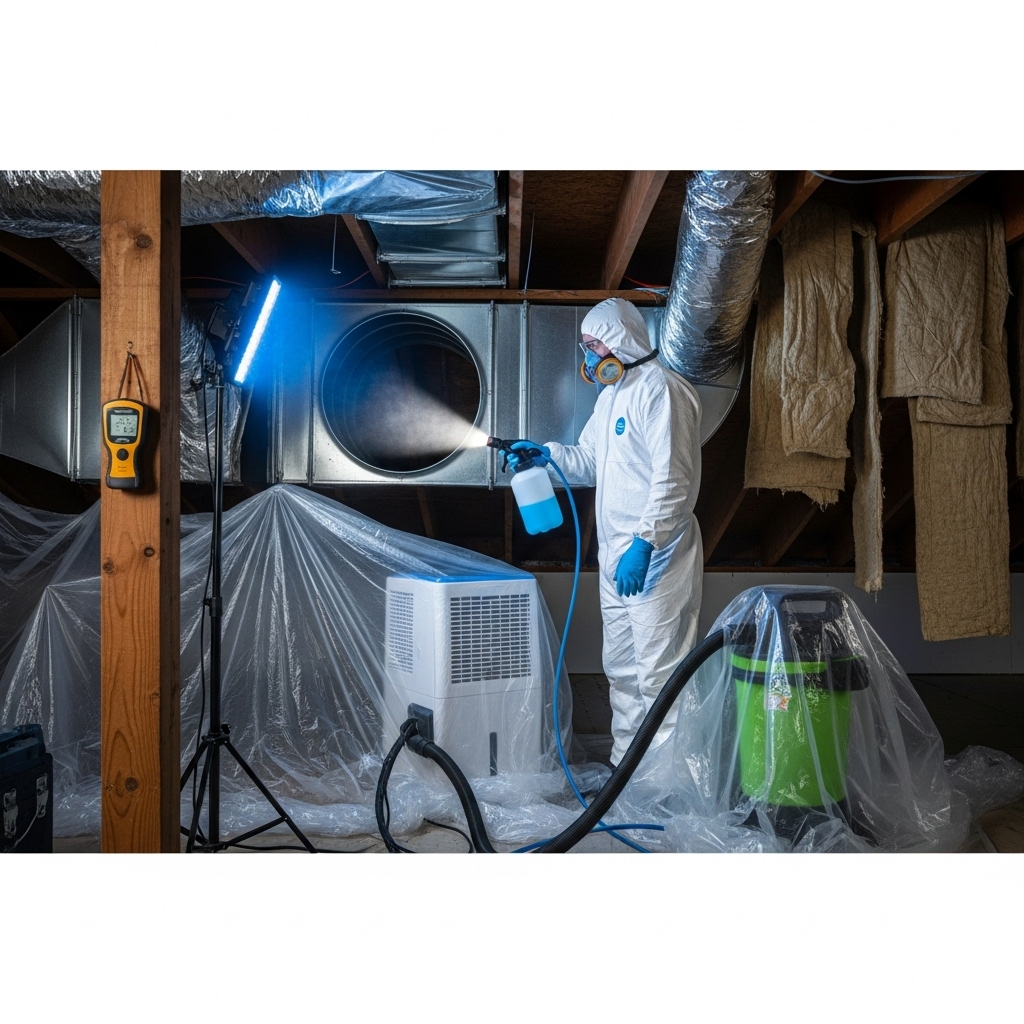
A thorough cleaning sequence begins with inspection and containment. Technicians document the count and location of supplies and returns, set up protective coverings, and establish negative pressure at the air handler. Using specialized agitation tools suited to the duct material—soft-brush for delicate liners, more robust tools for intact metal—technicians work methodically from the returns outward. The goal is to dislodge accumulated films and debris while the vacuum captures them at the point of release.
Once the duct surfaces are addressed, attention turns to the blower and coil if conditions warrant. Allergens thrive in overlooked areas where air passes repeatedly. The blower wheel, with its multiple fins, can hold fine dust that contributes to that faint musty scent some homes notice when the system first turns on. The coil, meanwhile, has closely spaced fins that require gentle, precise cleaning if debris is present. When cleaned correctly, these components stop reintroducing irritants into the airstream, producing a noticeable improvement in the way the home smells and feels.
Where mold fits into the picture
Mold is not inevitable in Malibu, but it is possible under the right conditions—especially where moisture lingers. Common culprits include poorly insulated ducts crossing an unconditioned space, condensation around an air handler in a cool garage, and minor leaks in nearby plumbing that raise humidity in a utility closet. When mold is suspected, professionals take steps to confirm whether growth is present and whether it is confined to specific sections. It is important to distinguish between simple dust staining and active growth; the response should match the reality of what is found.
When remediation is needed, the process emphasizes containment and removal rather than dispersal. Work zones are isolated, negative air is maintained, and surfaces are cleaned using methods appropriate to the material. Porous materials that are compromised may be recommended for replacement, while hard surfaces can often be cleaned and dried thoroughly. Throughout, documentation is crucial. Photos and notes establish what was found and how it was addressed, giving you confidence that the home has returned to a stable baseline.
Moisture management to prevent recurrence
Cleaning without addressing moisture leaves a door open for issues to return. The prevention strategy starts with insulation and air sealing. When ducts passing through attics or crawlspaces are well insulated and jacketed, they are less likely to reach temperatures that invite condensation on foggy mornings or cool evenings. Air leaks near returns or around the air handler create pathways for humid air to slip in and touch cold surfaces; sealing those gaps reduces opportunities for moisture to condense.
Indoors, pay attention to habits that influence humidity. After a morning with windows thrown wide, give the system time to run and dry the air before nightfall. If a particular closet or mechanical room feels damp to the touch, bring it up during a service visit. A small adjustment—improving ventilation, sealing a gap, or correcting a minor drain issue—can remove the conditions that mold needs to take hold. When the building envelope is stable, the cleaning you invest in lasts longer and the air remains noticeably fresher.
Allergy-sensitive routines that make a real difference
For households with pronounced sensitivities, small routines weave together into big relief. Keep an eye on filters and replace them on a cadence that reflects your lifestyle. If you enjoy open-window days, check filters more often because you are moving more outdoor air through the system. Wipe return grilles regularly so sticky coastal dust does not become a starting point for more accumulation. When you notice a change—like a hint of mustiness after foggy weather—make a note and mention it during your next evaluation. Those real-world observations guide targeted adjustments that yield tangible results.
It can also help to build a post-event habit. After dusty landscaping work, a smoky evening, or a long stretch of windy days, plan for a short period of system runtime with doors and windows closed to filter indoor air. If odors linger, a focused check on returns and the first trunk section can reset the system before irritants become embedded. None of this is about perfection; it is about leaning into awareness so that your home’s breathing aligns with your comfort.
What an allergy-focused service visit looks like
When relief is the goal, the visit centers on precision and verification. The crew will start with a walk-through to understand where symptoms are most noticeable—bedrooms, a particular wing, or rooms with high ceilings. They will plan containment to keep disturbed material out of living areas, and they will set up negative pressure at the air handler. As agitation begins, technicians work deliberately, paying special attention to lines that serve sleeping spaces, because nighttime exposure often affects how people feel the next day.
After ducts are addressed, the team evaluates the coil and blower and inspects drainage near the air handler. If moisture has been a problem, they will look for contributing factors like compressed insulation or minor air leaks. Post-service, they will run the system, check airflow, and walk you through photos that show before-and-after conditions. This transparency helps you connect the work to the relief you feel in the coming days.
Integrating cleaning with the broader health of the home
Ducts are part of a larger story that includes the building envelope, lifestyle patterns, and the way Malibu’s environment shifts with the seasons. Coordinating duct service with routine HVAC maintenance, evaluating insulation during any attic or crawlspace work, and adjusting habits during damp spells form a resilient strategy. The objective is not to sanitize life; it is to keep conditions inside the home from favoring the particles and moisture that tip sensitive households into discomfort.
Over time, this integrated approach produces a subtle but profound change. Morning congestion eases, rooms smell clean even after a week away, and the system’s sound softens because it is not working against hidden resistance. For many homeowners, these everyday improvements matter just as much as readings on a monitor—they are the signs that the home environment has shifted toward comfort.
Midway reflection: choosing the right partner
By the time you are comparing providers, you want more than promises. You want a method that respects your sensitivity and your home’s details. Look for clear explanations of how containment will be set, how negative pressure will be maintained, and what will be cleaned beyond the ducts if conditions warrant. Ask how the crew adapts to coastal homes and how they document their work. The answers should match the stakes for your household: measured, specific, and focused on results you can feel. If you need a refresher on the fundamentals of professional air duct cleaning, revisit them as you review proposals so the plan you choose aligns with both allergy relief and long-term system health.
Frequently asked questions about cleaning and mold in Malibu
How do I know if mold is present in my ducts?
Visual signs, persistent musty odors, or moisture near the air handler can be clues, but confirmation comes from inspection. A professional will distinguish between normal dust staining and growth that requires remediation, then outline the appropriate steps if action is needed.
Can cleaning alone solve allergy issues?
Cleaning is a powerful foundation, but it works best alongside moisture control and sensible habits. When the system is clean and the building envelope is stable, daily exposures drop, making symptoms easier to manage.
Is it safe to clean flex duct?
Yes, when the material is intact and properly supported. Technicians use gentle tools to agitate without damaging the liner, and they maintain negative pressure so loosened material is captured immediately.
Will cleaning help after smoky days?
Targeted cleaning of returns and early trunk sections, coupled with filter replacement and an evaluation of the coil and blower, often reduces residual odors and fine particulate left by smoke. The response is tailored to what your system actually encountered.
How often should allergy-sensitive homes schedule service?
Instead of a set schedule, use your experience as a guide. If symptoms increase, if surfaces near returns get dusty quickly, or if the home develops a persistent odor after damp or smoky weather, schedule an evaluation. The plan should reflect what you feel and what inspection reveals.
What should I do to prepare for a visit?
Clear space near returns, registers, and the air handler, and secure pets so the work zone stays calm. Note rooms where symptoms are worst so the crew can focus attention on the runs that matter most to your comfort.
When you are ready to turn your home into a refuge from seasonal irritants, choose a team that blends technical precision with coastal common sense. The right plan will address duct surfaces, key components, and the moisture conditions that set the stage for problems, leaving you with quieter, cleaner air and steadier comfort. Take the next step and schedule professional air duct cleaning so you can breathe easier through every Malibu season.