
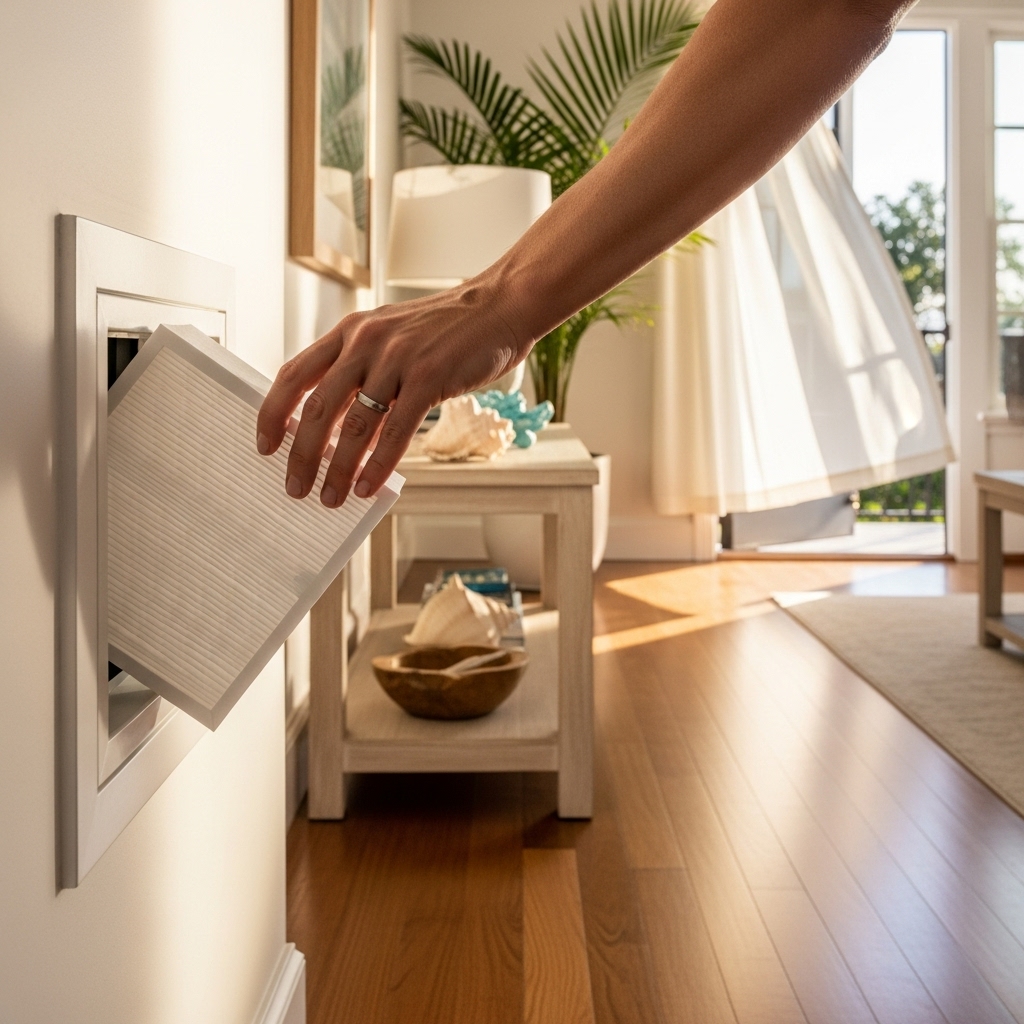
In Malibu, filter replacement is less about a single date on the calendar and more about listening to the rhythms of the coast. The same breeze that carries the ocean’s cool can also usher in salt, pollen, and fine dust, and during wildfire season, even distant smoke. Your air conditioning filter sits at the crossroads of all that, quietly protecting coils, safeguarding airflow, and shaping how clean and comfortable your indoor air feels. Many homeowners are surprised by how much Malibu’s microclimates influence filter choices and schedules, which is why a little local insight can make a world of difference. If you’re getting oriented, it helps to understand the core of air conditioning so you can pick a filter that complements, rather than complicates, your system.
The purpose of the filter is twofold: to keep the equipment clean and to keep the air you breathe healthier. In practice, that means balancing capture efficiency with airflow. A filter that catches everything but starves the system of air will lead to noise, uneven room temperatures, and extra strain on the blower. One that lets too much through protects airflow but leaves coils and indoor air at risk. Malibu’s gentle climate makes this balancing act even more important, because our systems often run longer, quieter cycles that depend on steady airflow to maintain comfort.
How Malibu’s environment shapes filter decisions
Coastal air carries salt that can accumulate on surfaces over time. While the filter doesn’t stop salt from reaching outdoor components, it helps keep indoor coils and blower wheels free of sticky films that trap dust. Homes close to the beach may notice a subtle, gritty residue on surfaces; filters load faster in these settings. Canyon homes with abundant vegetation face a different challenge: pollen bursts in spring and leaf litter that sheds fine particulates on windy days. Each of these patterns nudges you toward filters that match your home’s realities.
Wildfire seasons add a separate layer. Even when flames are miles away, smoke can infiltrate through tiny openings, and return ducts can pull in particulates when doors are opened. During these weeks, filters may need more frequent changes. Some homeowners keep a small stockpile on hand, ready to swap in a fresh filter after a particularly smoky day, and then resume a normal cadence when skies clear. It’s a practical, flexible approach that matches the irregular rhythms of nature here.
Understanding filter ratings without the jargon
Filter packaging can feel like a maze of ratings and claims. What matters most is the balance between efficiency and resistance. Filters with higher capture ratings trap smaller particles but can also increase pressure drop, asking the blower to work harder to deliver design airflow. In Malibu’s open, often quiet homes, that extra effort can translate into noise and uneven cooling. Choosing a filter that your specific system can handle—often a mid-range option paired with well-sealed return paths—protects both air quality and performance.
Return location and size matter as much as the filter itself. A single, undersized return grille with a highly restrictive filter can turn into a bottleneck. By contrast, multiple returns or larger grilles spread the load and allow for a more efficient filter without the same penalty. When in doubt, a quick static pressure check during a service visit tells you whether your setup is comfortable with your chosen filter or if it would benefit from adjustments.
Replacement timing that respects the coast
There isn’t a one-size-fits-all schedule, but there are reliable cues. If you live near the water, expect filters to load a little faster, especially after windy spells. If your home sits in a leafy canyon, spring may be your peak season for changes. During wildfire weeks, check filters more often. Most Malibu homes settle into a rhythm where filters are inspected monthly and replaced as needed, with some months sailing by and others requiring more attention. The important thing is to look, not guess.
Family patterns affect the cadence too. Frequent door openings for outdoor living, pets moving in and out, and summertime guests all increase load on filters. Pay attention to how the home is used during peak months, and let that guide your schedule. What matters most is steady airflow; filters are the first line of defense against restriction.
Signs your filter is asking for attention
Beyond the obvious visual dirt, changes in sound are telling. If the return begins to whistle or the system seems to labor, the filter may be restricting airflow. Temperature differences between rooms can worsen, and the system might run longer to achieve the same comfort. If you notice a musty smell near the return, the filter may be overdue and condensate management could use a check as well. These are small signals that, caught early, prevent bigger headaches.
Smart thermostats and modern equipment can help by alerting you to pressure changes or runtime patterns that suggest a clogged filter. While these features are not perfect, they’re a useful nudge. Pair those alerts with your own observations and the local cues we’ve discussed, and you’ll have a dependable replacement rhythm.
Fitting the filter correctly matters
Proper fit is critical. A filter that is even slightly undersized can allow air to bypass around the edges, carrying dust directly to the coil. That defeats the purpose of the filter and can lead to a sticky, insulating layer on fins that reduces heat transfer. Confirm the size stamped on the existing filter matches the housing, and look for a snug fit that doesn’t require force. The arrow indicating airflow direction should point toward the blower, which in most Malibu homes means toward the air handler in the closet or attic.
Gasketed filters or filter rails with a good seal make a noticeable difference. If your return grille rattles or the filter housing looks improvised, a small upgrade to a better frame or a return plenum can pay off with cleaner coils and quieter operation. It’s a small improvement that elevates daily comfort.
How filters influence energy and comfort
Airflow is the lifeblood of cooling. When filters restrict flow, coils can run colder than intended, sometimes leading to coil icing on prolonged cycles. The system then struggles to recover, rooms feel less even, and the compressor sees unnecessary stress. Conversely, clean, appropriately rated filters allow the system to modulate smoothly, maintaining comfort with less noise and fewer dramatic swings. Over the long haul, that steadiness is what makes Malibu homes feel calm even during warm spells.
Filters also play a role in indoor air quality. During pollen bursts or wildfire events, higher-efficiency options capture more fine particles, but only if the system can handle them. This is where a conversation with a local technician helps: they can measure static pressure and advise on a filter that meets your air quality goals without hampering performance.
Ductless and specialty setups
Ductless mini-splits have their own filter routines. Most units have washable screens behind the front panel that need regular cleaning, particularly in homes with ocean breezes that carry salt and fine grit. While these screens are different from central filters, the principle is the same: keep airflow unobstructed, and the equipment will reward you with quiet, efficient operation. During professional maintenance, technicians will also clean blower wheels and coils to remove accumulated film that screens alone can’t stop.
Homes with return filter grilles rather than cabinet filters should pay attention to the grille’s condition. Warped or bent grilles can create gaps, allowing bypass around the filter. Upgrading to a sturdier, well-sealed grille sometimes solves recurring dust issues and evens out the sound profile in living spaces.
Making replacement part of a broader care routine
Filter replacement is most effective when it’s part of a larger rhythm. After a windy weekend, pair a quick outdoor coil rinse with a filter check. After a crowded holiday or a stretch of smoky days, plan a filter swap and a condensate inspection. These simple pairings keep the system operating in a sweet spot where comfort feels effortless. Malibu homes reward gentle, regular attention more than they do dramatic makeovers.
And remember: filters are an investment in quiet as much as in cleanliness. The fewer obstacles air encounters, the less turbulence you hear at returns and registers. That serene background is one of the signature comforts of a well-kept system in our coastal setting.
FAQ: Malibu air conditioning filter replacement
How often should I replace filters near the beach? Inspect monthly and replace as needed. Homes closer to the water may see faster loading due to salt and fine particulates, especially after windy days. Over time, you’ll learn your home’s cadence and can stock filters accordingly.
Are high-efficiency filters always better? Not if they restrict airflow beyond what your system can comfortably handle. The sweet spot balances particle capture with low resistance. A static pressure check during service helps tailor the choice to your equipment and duct design.
Can I vacuum and reuse disposable filters? It’s not recommended. Vacuuming can damage the media and doesn’t restore performance. Washable filters exist, but they must be dried thoroughly and sized correctly to avoid bypass and mold concerns.
Do ductless systems need filter changes? They use washable screens that need regular cleaning, and periodic professional service to clean coils and blower wheels. Treat them with the same respect you give central filters; airflow matters everywhere.
What if my return grille is noisy? Noise can indicate restriction or a poor fit. A different filter type, a better-sealed grille, or adjustments to return sizing can quiet things down and improve performance at the same time.
How do wildfire smoke events affect my schedule? Expect to replace filters more frequently during and after smoky periods. Keep a few spares on hand, and consider a temporary step-up in filter efficiency if your system can handle it. Resume normal choices once air quality improves.
Will better filters reduce dust on surfaces? They help, but they’re one part of a broader approach that includes sealing return paths, maintaining ducts, and managing door and window openings on windy days. The right filter contributes to a noticeably cleaner feel indoors.
Can filter upgrades improve comfort? Yes, when paired with proper sizing and sealing. Reduced bypass and steady airflow lead to more consistent temperatures and quieter operation, which you’ll feel as a subtle but meaningful upgrade.
Breathe easier in your Malibu home
If you’re ready to dial in a filter routine that suits your home, start with a simple check today. Note how the filter looks, how the return sounds, and how rooms feel. Then set a reminder for a follow-up and keep a small stock of the correct size on hand. For help choosing a filter that aligns with your equipment and air quality goals, explore air conditioning options designed to keep Malibu homes clear, quiet, and comfortable.