
In Malibu, the calendar is shaped by the ocean. Mornings can be cool and damp, afternoons bright and warm, and evenings settle into the kind of quiet that makes you notice every mechanical sound in the house. That rhythm influences how we care for our cooling systems. A maintenance schedule for this stretch of coast isn’t a generic checklist; it’s a seasonal conversation between your home, the marine layer, and the equipment that keeps indoor conditions steady. If you’re getting started, it helps to learn the essentials of air conditioning so you can plan care that matches the way Malibu actually feels month to month.
Unlike inland valleys where heat can dominate for months, Malibu’s cooling season ebbs and flows. Systems may idle gently for much of the year and then work harder during warm spells or Santa Ana events. This stop-and-go lifestyle rewards small, consistent maintenance steps rather than sporadic, heroic efforts. The goal is to keep airflow smooth, coils clean, drains clear, and controls tuned so that when the weather turns, the system responds without hesitation.
Spring: preparing for the first warm stretch
Spring is when we set the stage. After winter rains and gusty days, outdoor units appreciate a careful rinse to remove salt residue and debris that has settled into fins. Indoors, filters deserve attention not just for dust, but for the fine particulates that drift in during windy weeks. A professional tune-up in spring catches small electrical wear—aging capacitors, pitted contactors—before they cause a mid-season interruption. It’s also the right time to verify thermostat settings, especially on variable-speed systems that benefit from tailored ramp profiles and humidity preferences.
Ductwork earns a look in spring too. Malibu’s open-plan living means some rooms rely on long runs or tricky pathways to receive air. Verifying that dampers are set for balanced distribution can prevent hot spots when the first sunny streak hits. If you’ve remodeled or changed furniture significantly, airflow may be different than last year; spring is a good moment to realign supply and return behavior with the way you actually use the space.
Early summer: tuning for consistency
As days lengthen and the marine layer retreats more quickly, systems run longer cycles. This is when condensate lines become critical. A partially obstructed drain may behave all spring and then overflow on the first truly warm, humid day. Flushing the line, confirming trap integrity, and verifying slope are simple but high-value tasks. It is also wise to check insulation on suction lines near the outdoor unit, since sun exposure can cause it to degrade and reduce efficiency over time.
The early summer window is a smart time to refine control strategies. Smart thermostats can be trained to respect Malibu’s daily pattern: cooler mornings, warmer afternoons, and breezy evenings. If your system modulates, letting it settle into longer, quieter cycles improves comfort and reduces wear. Minor tweaks—fan profiles, temperature swing settings, and humidity thresholds—can transform how the home feels without any visible changes.
Mid-summer: safeguarding performance during heat spikes
Heat spikes bring everything into focus. Outdoor coils attract dust and plant matter, especially if landscaping sits close to the condenser. A gentle rinse restores heat transfer and reduces compressor workload. Indoors, filters can load faster than expected during wildfire season or after windy nights. Checking them more frequently keeps airflow steady, which matters immensely for variable-speed blowers that are happiest when they’re not fighting restriction. The difference in noise and comfort is noticeable.
Mid-summer is also when minor duct leaks reveal themselves. Warm attics and higher supply temperatures can make those little whooshes you barely noticed in June feel significant by August. Sealing accessible joints and verifying supply temperatures at a few strategic registers protect both comfort and efficiency. If a room consistently lags behind the rest of the house, it may need a small damper adjustment or even a dedicated return to bring it into balance.
Late summer and early fall: recovering and resetting
By late summer, the system has stories to tell. This is the time for a second, lighter touch-up: another coil rinse if needed, a filter check, and a glance at the outdoor base to make sure debris hasn’t collected under the unit. If we’ve had wildfires, lingering ash can clog features you might not think about—like tiny weep holes around the base of some condensers or the low points in condensate runs. Clearing these keeps water where it belongs and stops nuisance shutdowns caused by float switches.
When evenings cool, systems spend more time idle. That’s a good moment to confirm that control logic isn’t inadvertently cycling equipment when natural ventilation would do. In many Malibu homes, opening windows during gentle evenings is part of the joy of living here. A well-configured system understands that and stands down gracefully, ready to resume in the afternoon without complaint.
Winter: quiet stewardship
Winter maintenance in Malibu is subtle. Outdoor units deserve protection from salt-laden winds, which are more common after storms. Ensuring clearances are free of wind-blown leaves and that coil coatings remain intact helps extend life. Indoors, winter is the perfect time for a deeper look at ducts—insulating exposed runs, sealing seams, and evaluating whether return placement matches how the home is used. Addressing these fundamentals when the system isn’t in high demand keeps spring visits shorter and more focused.
Control systems also benefit from a winter check. Thermostat updates, Wi-Fi reconnects, and battery replacements are small but important tasks that avoid surprises when warm days return. If your system integrates with whole-home automation, winter is when you want to ensure schedules don’t fight with seasonal habits like evening window ventilation.
Malibu-specific maintenance nuances
Our coastal environment calls for attention to details that inland guides often overlook. Protective coil coatings, stainless screws, and UV-resistant insulation are worth confirming during maintenance visits. If your outdoor unit sits in a wind corridor, simple deflectors can reduce recirculation of hot discharge air—a common issue on decks or in narrow side yards. And if your home is perched where salt spray is frequent, rinsing frequency may be higher than your inland friends would expect.
Wildfire seasons have left their imprint on Malibu maintenance routines too. Ash and fine particulates can load filters and deposit in returns even when the smoke seems distant. Post-event inspections that include filter changes, coil checks, and condensate flushes keep lingering debris from triggering nuisances weeks later. It’s a quiet investment in reliability.
Working with a local pro
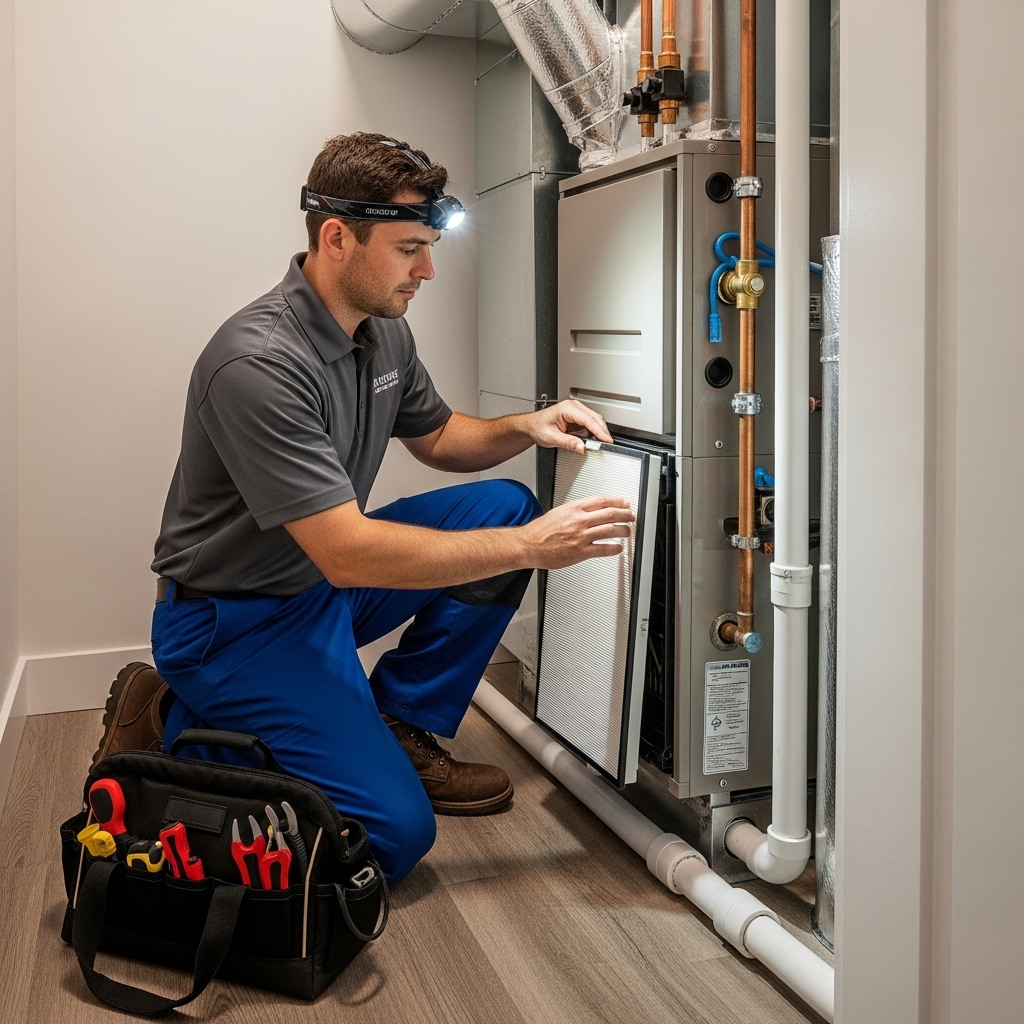
Partnering with a technician who understands our microclimates pays off. They’ll know that morning fog skews humidity readings, that west-facing glass can make a cool house feel warm to the skin, and that certain canyons funnel wind in ways that matter for outdoor placement. A good maintenance visit feels like a gentle conversation with your home: the tech listens, looks, tests, and then makes small adjustments that keep everything in tune with how Malibu actually behaves.
Expect your technician to document findings, from static pressure measurements to refrigerant subcooling or superheat when appropriate. Those notes form a baseline that makes future diagnostics faster and more accurate. Over time, your system’s “story” emerges, and maintenance becomes even more efficient because the tech knows what’s normal for your home.
Homeowner habits that help
Between professional visits, a few steady habits carry a lot of weight. Keep shrubs trimmed back from the outdoor unit so airflow isn’t compromised. Rinse the condenser gently after windy days. Check filters more often during fire season. When you move furniture or add rugs, pay attention to returns and supplies so they remain unobstructed. And during evenings when the breeze is perfect, let the house breathe; your system will happily pick up where nature leaves off.
Even small observational notes help. If you notice a room that drifts warmer or cooler than usual, share that during your next visit. Often, a tiny damper tweak or a new return path will bring the space back into line. The goal is not perfection, but a pervasive sense of comfort with minimal mechanical drama.
Why maintenance is an investment, not a chore
It’s tempting to think of maintenance as a box-checking exercise, but in Malibu it’s more like tending a garden. The payoff is steady comfort and systems that fade into the background. A well-maintained variable-speed setup runs longer, quieter cycles that align with our climate’s gentle undulations. Ducts that are sealed and balanced deliver air without the whistling and hot spots that can irritate on otherwise perfect evenings. These are not just energy benefits; they shape how a home feels day in and day out.
When the next warm spell hits, the homes that glide through it are the ones with clean coils, clear drains, tuned controls, and ducts that carry their share quietly. That glide is the signature of thoughtful maintenance—not flashy, but unmistakable once you’ve experienced it.
FAQ: Malibu air conditioning maintenance
How often should I schedule professional service? Twice a year works well for Malibu—once in spring to prepare for warmer days and once in late summer or fall to reset after the heaviest use. Homes nearer the water or with lots of landscaping may benefit from an extra coil rinse mid-season.
Do I need special filters near the coast? Not necessarily special, but well-chosen. Filters that balance capture efficiency with low resistance protect both air quality and equipment. During smoke events, higher-efficiency filters can help, but they must be matched to your system’s airflow capability to avoid undue restriction.
What about ductless systems—do they need maintenance too? Yes. Mini-split heads collect dust on coils and blower wheels, and their filters need periodic cleaning. Outdoor units face the same salt and debris challenges as central systems. Routine attention keeps them quiet and efficient.
Is it okay to hose off my outdoor unit? A gentle rinse from the top down is helpful, but avoid high pressure, which can bend fins. Always cut power if you’re doing more than a light rinse, and leave deeper cleanings to a pro with the right tools and cleaners.
Why does my system sometimes feel cool but clammy? Quick cycles on mild, humid mornings can reduce temperature without removing much moisture. Variable-speed systems and smart control strategies help by lengthening cycles slightly to balance temperature and humidity.
Should I leave the fan set to “on” or “auto”? In most Malibu homes, “auto” works best, allowing the system to manage airflow based on demand. Some systems benefit from short post-cooling fan runs, but continuous fan operation can re-evaporate moisture from coils on humid mornings.
What’s the best time to book maintenance to avoid delays? Spring and early fall offer more scheduling flexibility. Booking ahead of the first heatwave ensures parts and attention aren’t stretched thin when everyone calls at once.
Can maintenance improve noise levels? Absolutely. Clean coils, proper airflow, and balanced ducts reduce mechanical strain and turbulence, which translates into quieter operation indoors and out.
Keep your Malibu system in tune
If it’s been a while since your last checkup, now is a good time to put a plan on the calendar. A short visit today prevents a long afternoon without cooling next month. For an overview of systems that pair beautifully with our coastal climate—and to align service with your equipment’s needs—explore air conditioning options that keep Malibu homes calm, cool, and comfortable.