
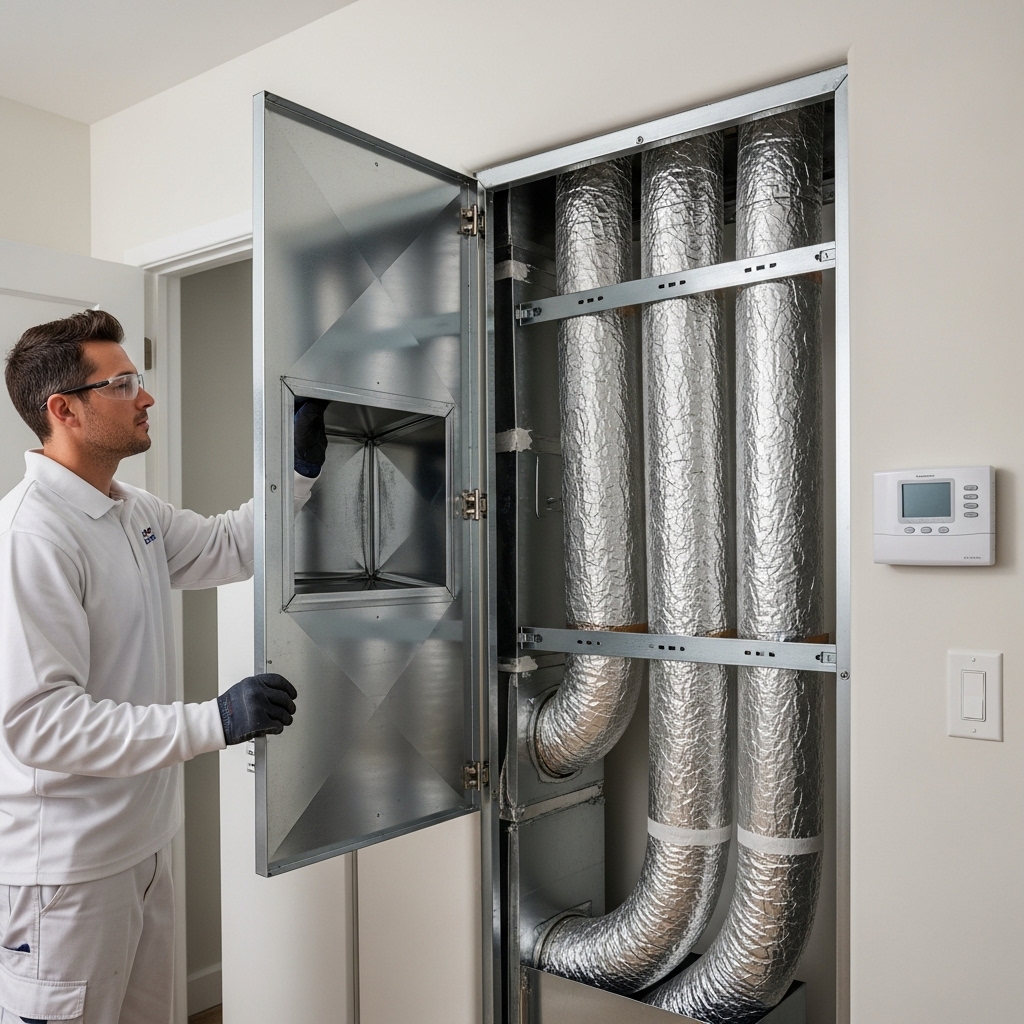
A systems-first approach to HVAC duct replacement
When Malibu homeowners talk about HVAC duct replacement, they’re often thinking about new material in the attic or crawlspace. In reality, replacing ducts is a systems project. It touches airflow, acoustics, filtration, energy performance, and how your equipment breathes. In a coastal setting where salt air and canyon winds shape daily life, a systems-first mindset ensures your comfort holds steady from foggy mornings to hot, bright afternoons. The objective is a home that feels even and quiet, with a thermostat that needs minimal attention and air that feels clean and calm.
That mindset begins with understanding your equipment, not just your ducts. Your air handler or furnace, your outdoor unit, and your control strategy all define how ducts should be sized and routed. If the ducts constrict flow, the system strains; if they’re oversized without thought, air can race, hiss, and miss the rooms where it’s needed most. In Malibu, where remodels often changed room sizes and uses, ductwork design must be updated to match the home you live in today. That’s the promise of carefully planned duct replacement: a unified system where each component supports the others.
Design foundations: load, layout, and balance
Good design starts with a sense of room-by-room needs. Sun exposure, window area, insulation levels, and ceiling heights all influence how much air a space needs to feel steady. We translate those needs into trunk and branch sizes and select registers that throw air the right distance without drafts. We also consider return air—the heart of quiet systems. Generous returns lower static pressure, support better filtration, and protect equipment. In homes with lofts or large glass walls, balancing becomes as important as sizing. Dampers provide the fine control that turns a good plan into a great result once you’ve lived with the system for a week or two.
Equipment capabilities matter as well. Variable-speed blowers behave differently from single-speed systems, and ducts should be laid out to let those features shine. A variable-speed system paired with well-sized, smooth ducts can become nearly invisible in daily life, adjusting output gently so you hardly notice it working. Poor duct design, by contrast, can mask the advantages of great equipment. When we replace ducts, we align layout with the equipment you have or plan to install, ensuring the system breathes freely and quietly.
Materials and methods for a coastal climate
Malibu’s coastal air encourages corrosion and magnifies the importance of robust materials. We select combinations that balance quiet operation with longevity: taut, supported flex for bedrooms; rigid metal trunks for long spans; and duct board for targeted acoustic needs. Insulation is continuous and matched to the space—attics that swing from cool, damp mornings to hot afternoons require consistent thermal protection. Vapor control prevents condensation in the wrong places. The adhesives and tapes we use are chosen for long-term stability so joints stay sealed even as temperatures fluctuate across seasons.
Register and grille selection is part of the conversation. A register that throws air across a room’s width can counter the stratification that tall ceilings invite. In spaces where quiet matters most, we choose styles that minimize hiss and integrate cleanly with your interior design. Small choices here have big everyday consequences: a well-chosen register can make an office or bedroom feel calm without feeling stagnant.
Sealing, testing, and verification
Sealing is where performance becomes real. Mastic applied to clean, prepared joints, strapped runs that don’t sag, and careful transitions that avoid sharp angles all protect airflow. After installation, we test. Duct leakage testing verifies that we aren’t losing conditioned air into the attic or crawlspace. Static pressure measurements confirm that returns and trunks are sized and routed correctly. These tests aren’t box-checking exercises—they’re the way we show that the system you paid for performs as designed. In a place where salty breezes and canyon dust press on buildings from both directions, a tight system pays dividends every day.
Balancing is the final act. We adjust dampers and verify delivery room by room. If the loft runs warm at sunset while the office cools too quickly, we make subtle tweaks so both feel right. Good balancing is a conversation: how do you use the spaces, when do you notice changes, and what feels ideal? Once you live with the new ducts for a few days, we’re ready for a fine-tuning visit to polish the final details.
Integration with zoning and controls
Some Malibu homes use zoning to serve different floors or wings. Duct replacement provides an opportunity to refine that strategy. We size and route ducts to reduce cross-talk and ensure dampers don’t introduce noise. With modern controls, variable-speed equipment, and smart thermostats, a well-designed duct system becomes responsive but calm, shifting gently to meet needs without the on-off jolts that older systems produced. If you’re planning equipment upgrades in the future, we can design ducts today with that future in mind so everything aligns when the time comes.
Filtration and indoor air quality integrate naturally with good ducts. A system that breathes easily can handle higher-efficiency filters without struggling, which matters during wildfire smoke events or windy days. We plan filter access that is convenient so maintenance becomes a habit rather than a chore. Cleaner air is one of the most tangible benefits homeowners notice after replacement.
Working inside Malibu homes
We protect floors, use temporary lighting in attics, and stage tools to keep the site orderly. We coordinate with your schedule and respect quiet hours, especially around bedrooms and home offices. Pets are kept safe with doors and gates, and daily briefings let you know what’s next. Many homes here have art, custom finishes, and architectural details that deserve careful handling; our crews are trained to move as if they live in the space, not just work in it. That respect shows in the way we clean up at day’s end and in the way we manage debris so fibers and dust don’t drift into living areas.
Access challenges are common—small attic hatches, low clearances, or complex crawlspaces. We bring the right staging and plan routes that honor the structure while achieving design goals. It’s not unusual to find a simpler path that improves performance and reduces installation time once we’re in the space. Those discoveries are part of the craft and a key advantage of teams that know Malibu architecture well.
Why replacement outperforms patchwork
Patch repairs have their place, but when a system has been pieced together across remodels, replacement clears the slate. It lets us right-size trunks and branches, simplify routes, and install returns that support filtration. Instead of chasing hisses and hot spots, we design for uniformity and quiet operation from the start. The outcome is a home that feels more predictable and restful—a noticeable shift when life outside can change quickly with winds, surf, and temperature swings.
There’s also a long-term view to consider. Tight, well-laid ducts protect equipment by reducing strain. When airflow is smooth and static pressure is reasonable, your blower doesn’t have to fight to move air, which supports both comfort and equipment health. It’s one reason Malibu homeowners often report that, after replacement, they think about their HVAC system less. It works without drawing attention, leaving you free to enjoy the home and the view.
Planning your project
Start with a conversation about your goals: quieter bedrooms, steadier temperatures in glass-heavy rooms, cleaner air during smoky periods, or a foundation for future equipment upgrades. We’ll evaluate the existing system, show you photos of critical areas, and sketch a design that makes sense. We’ll talk about materials in plain language and explain how sealing, insulation, and register choices serve your goals. Testing and balancing bookend the work so you have confidence in the result.
Midway through planning, homeowners often ask whether a small architectural constraint—a tight joist space, a skylight well, a steeply pitched attic—will force compromises. The honest answer is that good design turns constraints into clear choices. We may select a different material or route, but we keep the goals fixed: quiet, even, clean. That’s the heart of well-executed duct replacement in Malibu—aligning methods and materials to the life you live in your home.
FAQ
Will replacing ducts help my existing HVAC equipment perform better?
In most cases, yes. When ducts are right-sized and routes are smooth, static pressure drops and airflow improves. Equipment can then operate closer to its intended performance, often with quieter operation and more stable temperatures. You’ll feel the difference in the way your home holds comfort throughout the day.
How do you test the system after installation?
We perform duct leakage testing, measure static pressure, and verify airflow at key registers. We also balance the system with dampers to even out delivery room by room. Testing turns promises into proof and helps guide any final adjustments for perfection.
Do Malibu’s coastal conditions change your material choices?
They do. We favor corrosion-resistant materials and fasteners, continuous insulation, and reliable sealing products that hold up to moisture and temperature swings. The goal is durability and quiet performance over the long term, not just on day one.
Can you work around my schedule and keep bedrooms usable?
Yes. We stage the project to maintain access and quiet in key areas when you need them. Daily communication makes it easy to plan around work-from-home hours, naps, and evening routines. Your comfort during the project matters as much as your comfort after it.
Should I update registers and returns during replacement?
It’s often wise. Restrictive registers and undersized returns can undermine a great duct layout. Updating them to match the new design supports quieter operation, better filtration, and more even distribution, especially in rooms with tall ceilings or large windows.
What kind of maintenance will I need to do after replacement?
Regular filter changes are the main task, and we’ll help you choose a schedule that fits your household and local conditions. A brief check-in after a week or two lets us fine-tune dampers if needed. After that, the system should require only routine attention.
If a calm, even home with clean-feeling air sounds like the upgrade you’ve been waiting for, we’re ready to help you plan it. Share your goals, schedule a visit, and we’ll map a clear path from evaluation to testing. When you’re ready to set that plan in motion, choose expert duct replacement tailored to Malibu’s coast and canyons.