
When a Malibu heat wave settles in, the day moves differently. Morning fog lifts fast, the sun presses against canyon walls, and living rooms that usually breathe easily feel still. That is when a quiet, reliable cooling system turns from a background comfort into a necessity. If your air conditioner falters on those days, a clear plan makes all the difference. As local technicians, we have learned how Malibu’s microclimates test systems and how to triage problems quickly when the temperature climbs. The goal is straightforward: restore comfort safely, protect the equipment, and help you make choices that keep your home resilient. Being prepared, understanding the common failure points, and knowing how emergency service unfolds can bring calm to a hot afternoon, and it starts with a sensible approach to air conditioning care long before the phone call for help.
Heat waves here are rarely static. A breezy afternoon can swing to a still, hot evening, and the grid can stress under the shift. Systems that run gently most of the year suddenly face long duty cycles. If maintenance has lagged or if airflow is restricted by overgrowth or a long-forgotten filter, weaknesses surface. Understanding what your system is trying to tell you—a new noise, short cycling, uneven cooling—helps you communicate clearly when you call, and it helps us arrive ready with the right parts and a plan.
First steps when the AC stops cooling
In the moment your system stumbles, a few simple checks can save time. Confirm that the thermostat is set to cool and not in a schedule that delays operation. Look at the filter; if it is choked with dust or coastal debris, replacing it may restore airflow enough to stabilize the system temporarily. Step outside and see whether the condenser is running. If the fan is still and the unit is silent, a tripped breaker or failed capacitor could be the culprit. If the fan runs but the air indoors is warm, the system may be low on refrigerant or the coil may be frozen from restricted airflow.
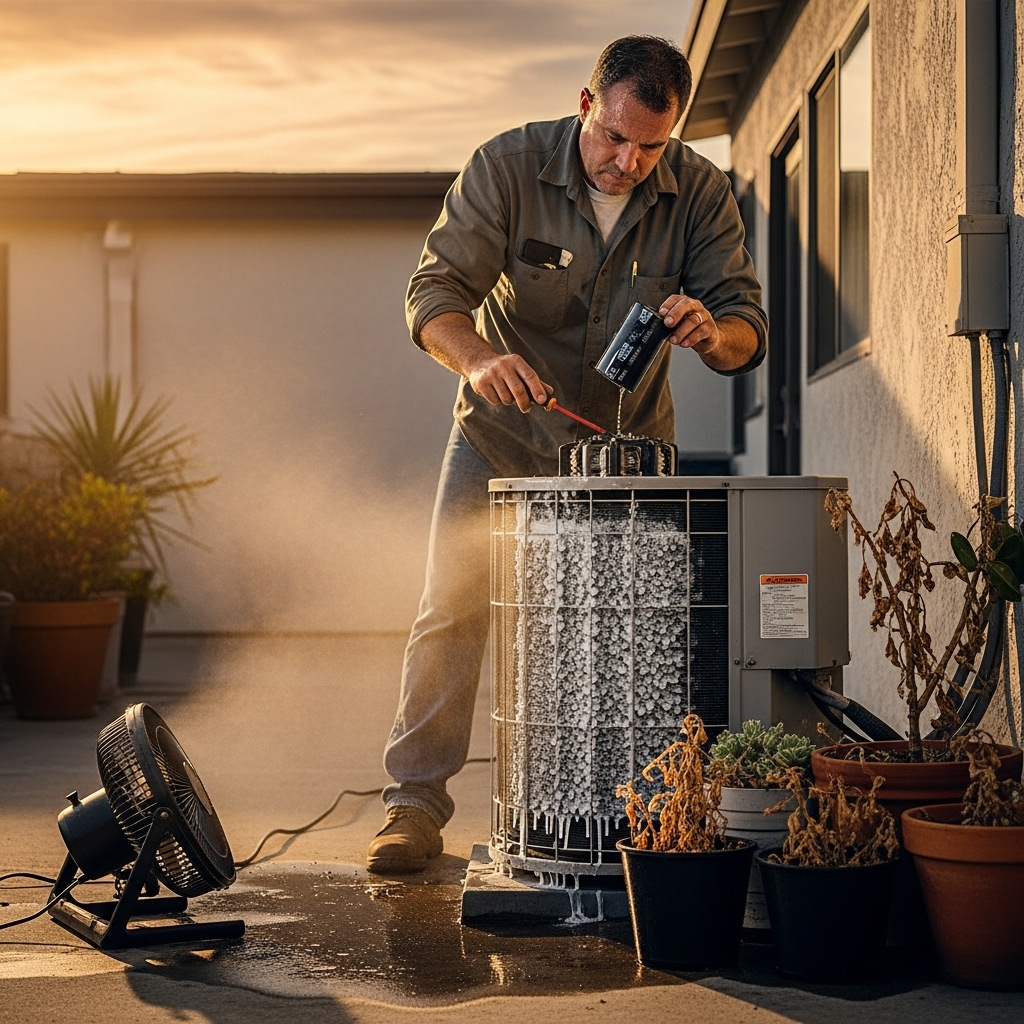
What you should not do is push the system harder. Dropping the set point 10 degrees rarely helps and often forces short, frantic cycles that strain components. If the outdoor unit is iced or the indoor coil is sweating heavily, turn the system off and let it thaw; running a frozen system can cause damage. A calm call with these observations gets help moving quickly and gives us a head start on diagnosis.
How emergency service unfolds in Malibu
During a heat wave, we triage calls to prioritize vulnerable households and no-cooling situations. Clear information—what you hear, what you see, any smells, and the history of the system—helps us stage parts and plan the visit. Access in Malibu can be a factor; hillside roads and gated drives sometimes add minutes when each degree counts. We coordinate arrival windows carefully and keep you posted as conditions change through the day.
On site, we start with airflow and power. A clean filter, clear return, and a condenser free of leaves and windblown debris often reset a system’s baseline. Electrical checks focus on breakers, disconnects, contactors, capacitors, and wiring. If components are scorched or swollen, replacement is in order, and we carry common parts to get back up quickly. When refrigerant issues are suspected, we follow good practice—pressure checks, temperature measurements, and leak evaluation—rather than quick shots in the dark. The aim is not just to cool today but to avoid revisiting the same failure next week.
Common heat-wave failures and fixes
Capacitors are frequent casualties when the mercury spikes. Prolonged, hot starts can swell and fail them. Condenser coils that have collected salt film and yard dust reject heat poorly and force compressors to work harder, sometimes tripping safety limits. Indoor coils that never see clean filters frost over, starving the home of airflow. Fan motors that have hummed quietly for years can seize under long duty cycles. Each of these failures has a fix, and the best fix includes addressing the cause. We rinse coils to restore heat exchange, we check static pressure to confirm ducts are not part of the problem, and we mentor thermostats into smarter schedules that prevent relentless full-throttle operation.
In homes near the beach, wind patterns can matter. A condenser in a courtyard might recirculate its own hot exhaust on a still day, pushing head pressures up until the system limps. A subtle relocation or a simple baffle that respects airflow can bring temperatures and noise back into line. We also watch for rodent damage in canyons—chewed wires create intermittent faults that only show up under stress.
Staying safe while you wait
While you wait for help, a few habits make the house more bearable and protect people and pets. Keep doors and windows closed once the indoor air is cooler than outside, and draw shades on sun-facing glass. Use ceiling fans to move air across skin and make temperatures feel lower. Avoid heat-generating chores like baking, and hydrate regularly. If you notice unusual smells—sharp electrical odors or a sour, musty scent near vents—turn the system off and mention it when we arrive. Electrical issues deserve calm caution, and musty smells can signal a drain problem that should be corrected before the system runs hard again.
For households with health sensitivities, having a cool refuge planned ahead of time, even if it is a single, smaller room where a portable unit can run safely, helps. While that is not a substitute for a working central system, it can prevent an emergency from becoming a crisis.
Preparing before the next heat wave
Emergency calls often reveal maintenance opportunities. Regular filter changes, rinsing outdoor coils, trimming vegetation, and verifying condensate drains are clear go a long way. A preseason check aligns the system to Malibu’s particular demands: programming thermostats for gentle morning recovery, confirming that zoning dampers behave, and validating that airflow is balanced so bedrooms and living spaces cool evenly. Surge protection guards sensitive electronics when the grid wobbles during high demand.
We also look at airflow bottlenecks. Leaky or undersized ducts make a system work harder for less comfort, and fixing them is a gift you feel immediately. Even modest improvements in static pressure turn hot-day operation from frantic to composed. Mid-season, we may revisit settings to be sure your air conditioning keeps pace with how you are actually living—more home office time, more guests, or a different rhythm for doors and windows.
When repair meets replacement
Sometimes a heat-wave failure is a catalyst for a larger conversation. If a system is aging, uses outdated refrigerant, or has piling repair history, it might be time to consider a replacement. That decision is about reliability and everyday comfort as much as it is about parts. Newer variable-speed systems run cooler and calmer, handle humidity better, and restart gracefully after brief outages. We weigh the home’s needs, coastal durability requirements, and the logistics of installation so you are not stuck making a big decision in the hottest moment without a clear plan.
For homes with guest spaces or offices detached from the main house, adding a small ductless head as a strategic backup can buy resilience. It gives you a cool room to retreat to if the central system needs a longer repair and provides everyday flexibility when you want to condition only part of the home.
Communication that keeps calm
In an emergency, clarity reduces stress. We explain what we find in plain terms, outline options, and move with urgency without skipping steps. You will know whether a repair is likely to hold through the rest of the heat wave, and we will be honest when a temporary fix is just that. We photograph and document critical findings so decisions are informed rather than rushed. After the system is running again, we note any follow-up work—duct repairs, coil cleaning, or control updates—that will make the next hot spell less dramatic.
In Malibu, neighbors look out for each other. If we see a simple, safe action that can help you help a neighbor—like clearing leaves from a condenser or recognizing a frozen coil—we share it. The goal is a community better prepared to ride out the hottest days with fewer emergency calls and more steady, comfortable evenings.
Frequently Asked Questions
What should I check before calling for emergency service?
Confirm the thermostat is set to cool, check that the filter is clean, and look outside to see whether the condenser is running. Note any unusual noises or smells. If you see ice on the lines or coil, turn the system off and let it thaw. These observations help us diagnose quickly when we arrive.
Is it safe to run the AC if the indoor coil is frozen?
No. Running a frozen system can damage the compressor and does not cool the home effectively. Turn it off and switch the fan to on to help thaw the coil, and call for service. We will address the root cause, usually airflow restriction or a refrigerant issue.
Why does the AC struggle more during heat waves?
Higher outdoor temperatures increase the work the condenser must do to reject heat, and long duty cycles expose weaknesses like dirty coils, failing capacitors, and airflow bottlenecks. Systems that are fine in mild weather may falter under sustained load without maintenance tuned to coastal conditions.
How can I keep the system running cooler during extreme heat?
Keep coils clean, filters fresh, and vegetation trimmed around the condenser. Program thermostats for gentle temperature ramps. Ensure ducts are sealed and sized correctly. These steps reduce strain and help the system maintain comfort without frantic cycling.
What if the power goes out during a heat wave?
Protect the system with surge suppression and sensible restart settings so it comes back calmly when power returns. If you have backup power, we can configure equipment to align with your capacity. In the meantime, use fans, close shades, and hydrate to stay comfortable.
When is replacement better than repair?
When a system is aging, uses obsolete refrigerant, or experiences repeated failures, replacement may deliver better reliability and comfort than patchwork repairs. We discuss the trade-offs honestly so you can plan rather than decide under pressure.
Do mini splits help during emergencies?
Yes. A strategically placed ductless head can provide a cool refuge if the central system is down and offers everyday flexibility when you want to condition only part of the home. They are efficient, quiet, and quick to install in many cases.
Get help when you need it
If a heat wave has exposed weaknesses in your system or if you want to prepare before the next one arrives, we are ready to help. We respond quickly, communicate clearly, and focus on safe, lasting fixes. When you are ready, reach out and we will guide you toward the right air conditioning solution to keep your home comfortable on the hottest days.