
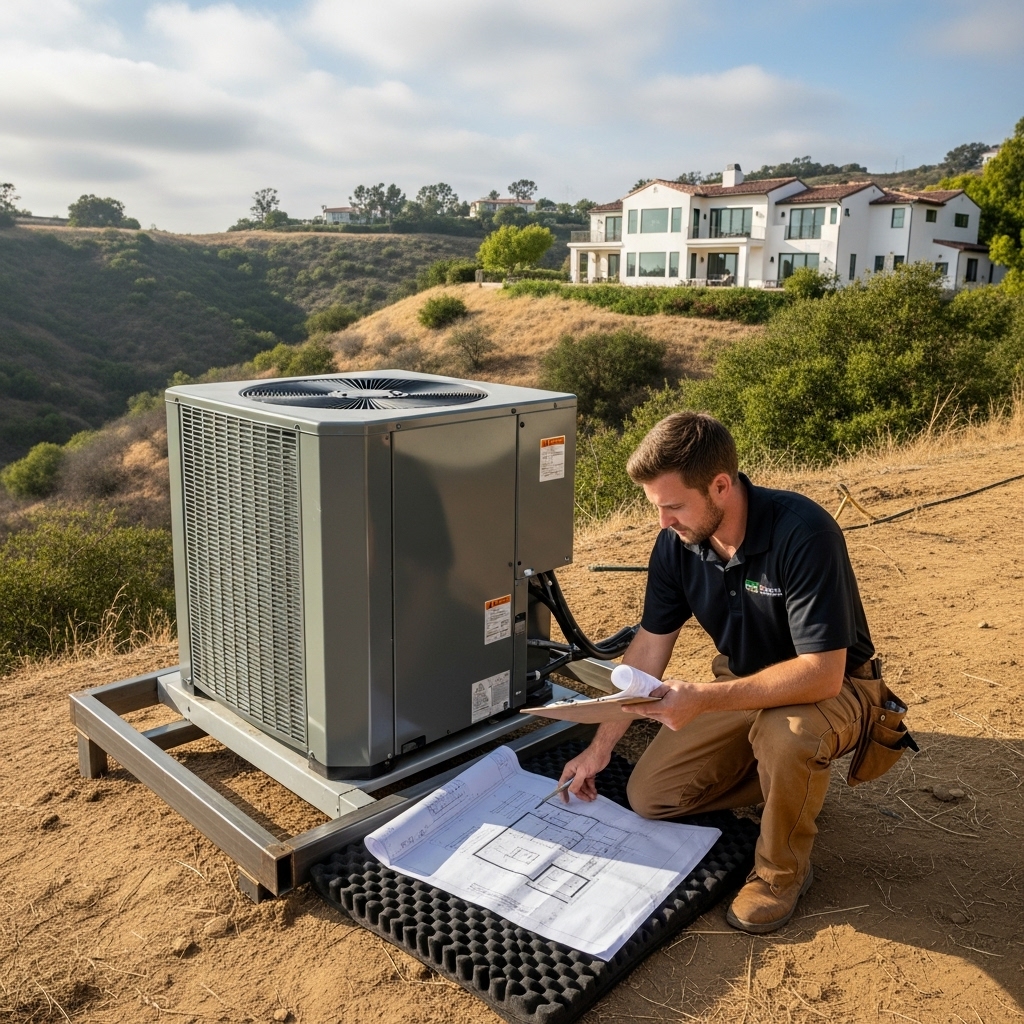
When neighbors in Malibu ask what it takes to install a new cooling system, they are not only asking about equipment. They are asking about process, trade-offs, and the way a project moves from idea to quietly running in the background. In a coastal city with a delicate environment and exacting standards, the path to a well-installed system runs through design choices, permitting, inspections, and final commissioning. Conversations about budget often begin the journey, but the more useful discussion is about alignment—aligning expectations, the home’s realities, and the local rules that keep Malibu the place we love. Framing the project this way sets you up to choose the right air conditioning plan rather than simply chasing a box with a tonnage label.
No two Malibu properties are alike. A bluff-top modern with expansive glazing behaves differently from a canyon bungalow shaded by sycamores. That variety is why a meaningful installation plan starts with a site visit. We look at exposure, airflow, equipment placement options, and the ways a home is actually lived in. Those observations inform the system choice—central, ducted with zoning, or a hybrid that pairs existing ducts with targeted ductless heads—and they also set the permitting stage. In Malibu, the details you sort out in the yard save time at the counter and on inspection day.
Understanding the factors behind installation pricing
While this is not a place to quote numbers, we can map the drivers that shape overall project scope. Equipment capacity and type matter, of course, but the hidden elements often count more. Ductwork condition can make or break performance; replacing crushed or leaky runs, resizing trunks, and adding returns is material- and labor-intensive but transformational for comfort. Electrical readiness influences the plan as well. Older panels or limited space for new circuits may require upgrades to safely support modern systems that prefer dedicated lines and clean power.
Placement and accessibility influence effort. Setting a condenser on a simple slab with easy access differs dramatically from craning equipment to a hillside platform or threading line sets through tight framing. Coastal durability choices, such as coil coatings and stainless hardware, add value in service of longevity. Controls and zoning strategy shape both the lived experience and the work behind the walls; thoughtful dampers and sensors make a single system act like several and often reduce the need for multiple outdoor units.
Permitting in Malibu: what to expect
Permits are how the city and county ensure safety, environmental protection, and neighborhood harmony. For mechanical installations, the permits review equipment location, setbacks, structural mounting, noise, and, where relevant, coastal considerations. If your project touches structural elements or requires platforms and screens, those details will be part of the submittal. Expect plan review to look at manufacturer specifications, clearances, and how the system meets energy requirements under California’s code framework.
Noise is a frequent checkpoint. Malibu protects quiet evenings, and equipment must meet sound limits at property lines. We plan location, isolation pads, and orientation to control sound before it becomes a compliance or neighbor-relations issue. When the condenser lives near a bedroom—yours or a neighbor’s—we take extra care with vibration control and airflow so the system hums rather than speaks.
Title 24, HERS testing, and documentation
California’s energy code sets performance expectations for new and altered systems, and compliance is documented through forms and field verification. In practice, this means the design must pencil out on paper and the installed system must prove itself in testing. We handle the compliance documentation and coordinate with HERS raters to confirm duct sealing, airflow, refrigerant charge, and controls. These checks are not bureaucratic hurdles; they are quality gates that keep systems from limping along for years with silent inefficiencies.
In Malibu’s coastal zone, additional scrutiny may apply to exterior changes. Locating a condenser where it meets both energy and environmental goals takes patience with setbacks, viewsheds, and plantings. A careful submittal with clear drawings shortens review time and reduces surprises when the inspector walks the site. When designs cross into wildfire-prone areas, we add attention to clearances and noncombustible mounting so equipment sits safely within the property’s defensible space plan.
What site conditions add complexity?
Access is the quiet determinant of schedule. A narrow canyon lane or a steeply terraced lot turns an otherwise straightforward installation into a choreography of staging, ladders, and manpower. We plan deliveries to protect landscaping and hardscapes, and we use rigging that keeps equipment safe as it moves into place. In older homes, hidden conditions behind walls and in attics—surprise junction boxes, unbraced duct runs, or cramped returns—often motivate small scope changes that pay back in quieter, better-balanced operation.
Salt exposure is another complexity unique to the coast. We plan for hose access to rinse coils and specify finishes that resist oxidation. We avoid tight alcoves that trap salty air and direct hot condenser exhaust right back into the coil. In fog-prone pockets, condensate management for indoor units becomes a prime detail, with secondary pans and clean-out access designed from the start rather than added in a hurry at the end.
Choosing between central, ducted, and ductless paths
The right configuration is driven by how you live, the home’s bones, and your long-term plans. Central systems with zoning shine in larger homes where multiple areas have different cooling needs through the day. Ductless heads pair well with rooms that are hard to serve, additions over garages, or guest spaces that live independently. Sometimes the hybrid approach is best: preserve solid existing ducts where they work, and supplement with a discreet ductless head in the one room that never feels right. Each path has distinct permitting and installation implications, and we map those before a wrench ever turns.
Whatever the choice, the same craftsmanship applies. Clean brazed joints, properly sized lines, thoughtful duct sealing, and quiet mounting are non-negotiables. Those details are what you feel in the first quiet afternoon after the crew leaves and the new system wins you over by vanishing into the background.
Inspections and commissioning
Successful inspections begin with respect for the process. Clear labeling, neat work, and documentation that matches the field conditions make the inspector’s job easy. We test before the test, verifying airflow, static pressure, refrigerant charge, and controls. When the HERS rater arrives, the system already behaves like itself: balanced, quiet, and cleanly within specifications. Final commissioning goes beyond passing; it fine-tunes fan speeds, damper positions, and thermostat programming to match the home’s rhythm. The outcome is a system that feels right on day one rather than improving slowly over weeks of trial and error.
We share with homeowners what the numbers mean in plain language. A target static pressure is not a trivia point; it explains why the air feels soft, not gusty. A correct superheat means the compressor is working efficiently and will likely live longer. These small windows into the system help you understand what to expect season to season and what maintenance will sustain that performance.
Neighbor considerations and aesthetics
Malibu’s neighborhoods value quiet elegance. A well-placed condenser can disappear behind plantings or low screens that preserve airflow. We avoid reflective surfaces that bounce sound, and we orient the unit to direct exhaust away from patios and windows. In tight lots, we talk with neighbors early to ensure placement respects property lines and sleeping areas. It’s remarkable how often a five-minute conversation during design solves what could become a persistent annoyance after installation.
For homes with sweeping views, compact and low-profile equipment helps preserve sightlines. The goal is to build cooling capacity into the property like another carefully chosen material—functional, durable, and at peace with its surroundings.
How long does the process take?
Timelines vary with scope, permitting workload, and site complexity. A straightforward replacement can move quickly once permits are in hand; projects involving new ductwork, electrical coordination, or architectural screening add time. Being thorough at the beginning—clear drawings, product selections, and coordination with other concurrent work—prevents delays. Malibu rewards patience; respecting the city’s process yields installations that stand the test of time and pass quietly through the seasons.
Communication keeps expectations aligned. We outline milestones: site assessment, design, permit submittal, review, procurement, installation, inspections, and commissioning. You will always know what is next and how each step supports the comfort you will enjoy when the system comes online. In the middle of that arc, we revisit any assumptions to be sure your air conditioning plan still fits the way you intend to use the home.
Maintenance and the long view
After the last signature and the first cool evening, the story shifts to stewardship. Coastal systems appreciate simple, steady care. Rinsing outdoor coils, keeping vegetation trimmed, replacing filters on schedule, and confirming condensate drains remain clear are small habits that preserve efficiency and quiet. Annual or seasonal checkups catch the early signs of corrosion or wear, and minor adjustments keep air distribution balanced as seasons change.
When Malibu’s weather turns smoky or when fog hangs longer than usual, a tuned system proves its worth. Your home remains a refuge, and the equipment hums along, barely noticed. That outcome—quiet, clean, and dependable—originates in the careful alignment of design, permitting, and craftsmanship at the start.
Frequently Asked Questions
Do I always need a permit to replace or add air conditioning in Malibu?
Permits are typically required for new installations and most replacements, especially when equipment location changes, electrical work is involved, or ducts are altered. The process protects safety and ensures the system meets energy and noise standards. We handle the paperwork and coordinate inspections so the project moves smoothly.
What documentation is involved with Title 24?
Compliance involves design forms and field verification. A HERS rater confirms duct sealing, airflow, refrigerant charge, and control settings. The documentation ensures your system performs as expected rather than relying on assumptions.
How does Malibu’s coastal location affect equipment choices?
Salt air and sun drive us toward coastal-rated coils, stainless hardware, protective finishes, and placement that breathes freely. We also consider noise expectations and screening that preserves airflow. The result is a quieter, longer-lived installation tailored to the coast.
What if my home has limited electrical capacity?
We assess the panel and circuits early. Sometimes we can allocate dedicated circuits cleanly; other times an upgrade is prudent to support modern equipment safely. Planning this upfront avoids surprises during inspection and protects the system over the long haul.
Can I keep my existing ducts?
We evaluate their condition and layout. Solid, well-sealed ducts may be preserved, while leaky, undersized, or poorly routed runs are worth replacing. Ductwork quality is a major comfort and efficiency driver, and addressing it during installation pays dividends.
How are noise concerns handled?
We select quiet equipment, place it thoughtfully, and use isolation pads and proper orientation. We measure sound at relevant property lines and adjust layout to meet local expectations. This proactive approach avoids neighbor issues and creates a more peaceful home.
What is commissioning, and why does it matter?
Commissioning is the fine-tuning and verification phase after installation. We confirm airflow, charge, controls, and zoning behavior, making adjustments so the system matches the home’s rhythm. It ensures you experience comfort as designed from day one.
Plan your Malibu installation
If you are considering a new system or upgrading an older one, we can help you navigate design, permits, and execution with clarity. We will map the property, align the equipment with your goals, and manage the process so the result feels effortless. When you are ready, reach out and we will guide you toward the right air conditioning solution for your home.