
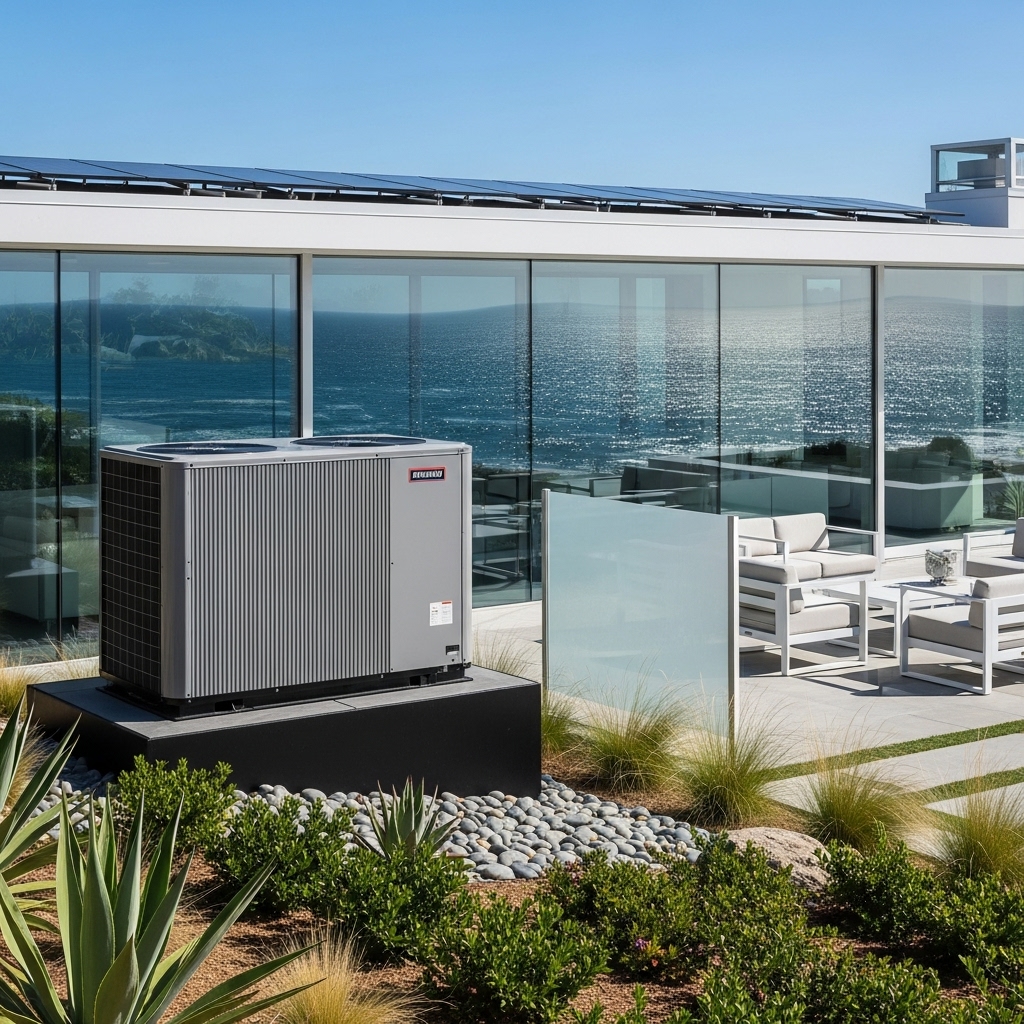
Across Malibu, a quiet transformation is underway in how we keep our homes cool. The days of oversized, on-off systems are giving way to precise, responsive equipment that breathes with the house and adapts to the weather. For coastal homeowners who value serenity, sustainability, and subtle design, these energy-efficient trends feel especially well-matched. They deliver comfort that is more even, air that is cleaner, and performance that is kinder to the grid. Most of all, they respect the Malibu lifestyle, where the ocean’s rhythm meets careful craftsmanship and thoughtful technology like modern air conditioning.
The impetus behind these changes is simple: better control equals better comfort. When systems can modulate rather than cycle, they hold conditions within narrow bands and reduce the noise—literal and figurative—that used to accompany cooling. In a glass-wrapped living room that catches afternoon sun, you no longer hear a blast of air and a sudden chill; instead you feel a consistent, dry coolness that fades into the background. Efficiency is not an abstract metric here; it is the day-to-day experience of living well with less energy.
Variable-Speed and Inverter Technology
At the heart of modern efficiency is modulation. Variable-speed compressors and fans adjust output continuously, matching the home’s moment-by-moment needs. On mild days, they hum along at low speeds, sipping power while keeping humidity in check. When a hot spell arrives, they ramp up smoothly, avoiding the harsh starts that once disrupted conversations and taxed electrical systems. For oceanfront homes, this behavior is a revelation: the system stays on just enough to keep moisture controlled, which preserves materials and makes every room feel calmer.
Inverter-driven mini-splits and ducted systems have expanded design options, too. They accommodate zoning with minimal bulk, so architects can prioritize glass, light, and space without sacrificing comfort. In remodels and additions, these flexible formats slip into tight chases or serve new rooms without reworking the entire duct network. The result is a home that feels upgraded, not compromised.
Smart Controls and Predictive Comfort
Controls have become companions rather than mere thermostats. They learn how your home warms and cools, they notice when you tend to open the sliding doors at sunset, and they adapt setpoints accordingly. Geofencing can prepare the house for your arrival, while remote access lets you fine-tune a second home from town or while traveling. Predictive algorithms smooth the temperature curve through the day, which means less energy spent pulling the house back from extremes and more time in the comfortable middle.
For Malibu’s microclimates, this intelligence is invaluable. A system that recognizes a foggy morning will hold off aggressive cooling, while one that sees a hot, dry wind event on the horizon will pre-cool living areas and guard humidity levels. It is the difference between a system that reacts and one that anticipates, which is the essence of efficiency.
High-Efficiency Filtration and Indoor Air Quality
Efficiency is not only about kilowatts. It is also about delivering clean, healthy air with less effort. Better duct sealing, right-sized fans, and higher-quality filters work together to reduce resistance while capturing fine particles. In coastal homes, that translates to less salt residue on surfaces and a clearer quality of light in sunlit spaces. During wildfire season, upgraded filtration quietly shields your interior, letting you keep windows closed without feeling shut in.
Homes that pair filtration with balanced ventilation feel especially fresh. Bringing in measured amounts of outdoor air—tempered and dehumidified as needed—prevents stagnation while avoiding the energy penalty of uncontrolled infiltration. The air feels alive and gentle, not rushed or forced.
Designing for Acoustics and Aesthetics
The ear is an excellent judge of efficiency. Systems that modulate are inherently quieter, but placement and distribution matter as much as equipment. Careful duct design allows for slower air velocities, which reduces noise and drafts. Diffusers that blend with the architecture preserve sightlines and let the home’s finishes take center stage. In homes where art and natural views are paramount, this discretion is part of the luxury.
Outdoor units with corrosion-resistant construction and smart positioning fare better in Malibu’s salt air. Elevating condensers slightly, shielding them from direct spray, and providing ample airflow extend their life and keep performance steady. Settling these details at the design stage prevents headaches later and supports the long, efficient operation you expect.
Electrification and Heat Pump Momentum
Heat pumps have moved from niche to norm, especially along the coast where temperature extremes are moderate. Today’s high-efficiency heat pumps provide superb cooling and, when needed, gentle heating without combustion. For many Malibu homes, this means consolidating comfort onto a single, efficient platform. It also opens the door to pairing with solar, battery storage, and time-of-use strategies that shift energy use to cleaner, less expensive hours.
Because heat pumps modulate so well, they shine in the part-load conditions that dominate our climate. Rather than blasting, they cruise, keeping humidity in check while using far less energy than legacy equipment. Over a year, that smoother profile adds up to noticeable savings and a tangible reduction in environmental impact.
Data, Diagnostics, and Peace of Mind
Another trend reshaping the experience of cooling is the rise of smart diagnostics. Systems can alert you early to airflow restrictions, refrigerant anomalies, or coil fouling, preventing small issues from becoming disruptions. For second homes, this insight is invaluable; you can address maintenance proactively and arrive to a perfectly balanced interior. It is comforting to know that the same intelligence delivering efficiency is also watching out for the health of your equipment.
Midway through an upgrade conversation, I often see the moment when a homeowner realizes that efficiency is not an aesthetic compromise. It is, in fact, a path to a more seamless home—quieter rooms, better sleep, and an interior that feels subtly elevated. That is the real promise of modern air conditioning in Malibu: a union of performance and sensibility.
Retrofits, Remodels, and the Malibu Mix
Malibu’s housing stock spans eras and styles. Efficient solutions respect that diversity. In a mid-century home, slender ducted systems can hide in soffits and deliver conditioned air through linear slots. In a contemporary build, concealed air handlers pair with floor-to-ceiling glass without intruding on the view. In a beach bungalow, a compact multi-zone system can quietly serve a main living space and a detached studio without altering the home’s charm.
Successful retrofits begin with a careful assessment. We look at insulation, window performance, solar exposure, and how you actually use the rooms. Oversizing is the enemy of efficiency; right-sizing and zoning are your allies. The payoff is comfort that feels tailored rather than generic.
Looking Ahead: Materials, Refrigerants, and Standards
The efficiency story continues to evolve. New standards emphasize real-world performance, not just lab results, and equipment is following suit with improved coils, smarter defrost cycles for heat pumps, and lower-global-warming-potential refrigerants. For homeowners, the takeaway is simple: the next generation of systems will be even more sip-and-sustain than the last, delivering steady comfort with quieter operation and a lighter footprint.
Frequently Asked Questions
Q: Are variable-speed systems really that much more efficient?
A: Yes. By matching output to demand, they avoid the energy waste of constant cycling, control humidity better, and run more quietly—benefits you feel every day.
Q: Will efficient systems keep up during heat waves?
A: Properly sized, they handle peak loads while shining during the far more common part-load conditions, which is where most comfort and energy savings occur.
Q: Do I need new ducts to benefit from efficiency upgrades?
A: Not always. Many homes can leverage existing ducts with sealing and minor modifications, while others benefit from sleek new runs sized for lower velocities.
Q: How do these systems perform in Malibu’s salt air?
A: Equipment with corrosion-resistant components and thoughtful placement holds up well. Light maintenance and periodic rinsing help preserve performance.
Q: Are heat pumps a good fit near the ocean?
A: Absolutely. They deliver excellent cooling, gentle heating, and outstanding efficiency, especially in Malibu’s moderate temperature range.
Q: Will smart controls really make a difference?
A: They do. Learning controls anticipate your patterns and the weather, smoothing comfort and trimming energy use effortlessly.
When you are ready to bring these trends home—quieter rooms, cleaner air, and an elegant, efficient rhythm—connect with a local expert who understands Malibu’s coastal context. Explore the latest in air conditioning and create a system that feels as refined as your view.