
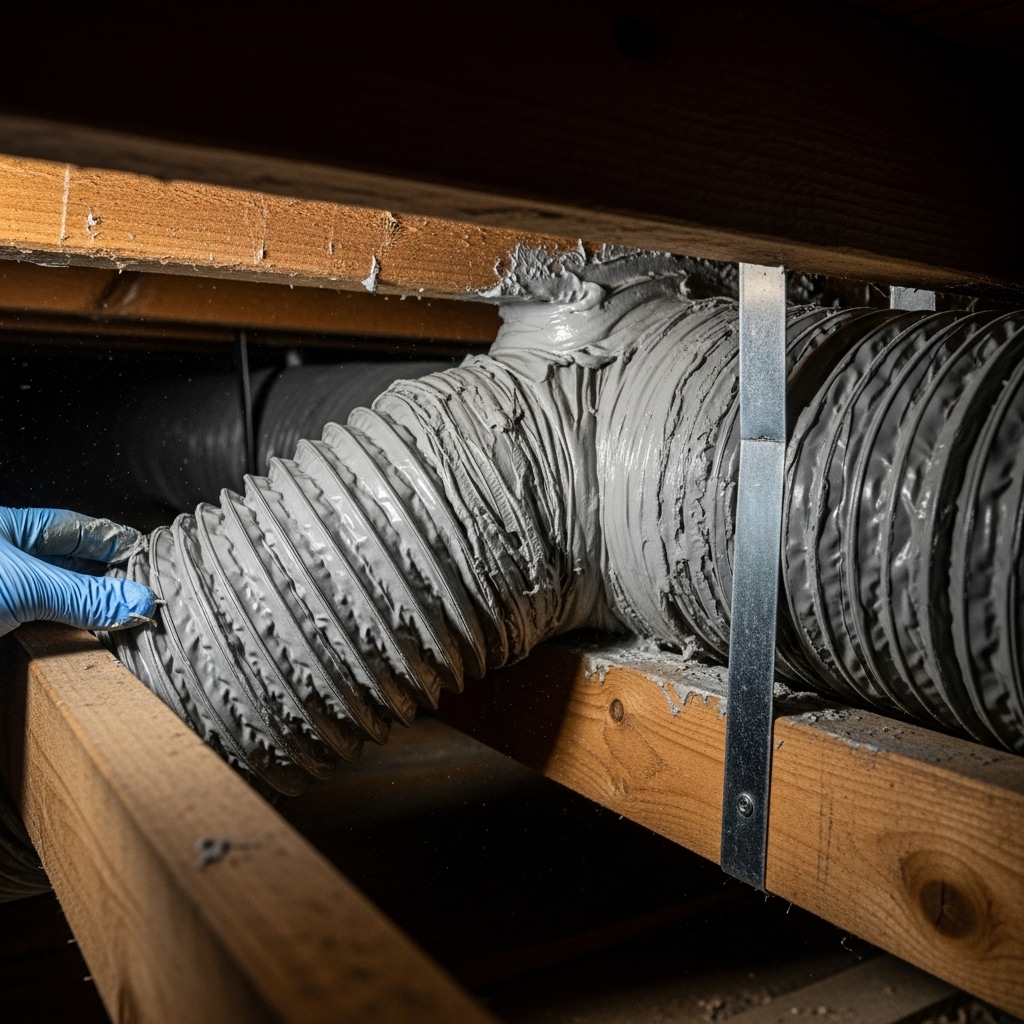
Flex duct is the quiet workhorse of many Malibu homes, bending through tight spaces that rigid metal cannot easily reach and helping installers navigate architectural ceilings, shallow attics, and complex framing. When it is selected wisely, sized properly, supported correctly, and sealed meticulously, flex duct can deliver comfort as part of a blended system that also uses rigid trunks and thoughtfully designed plenums. The challenge is that flex is forgiving—and that very forgiveness invites shortcuts. Over time, sagging, kinks, crushed bends, and loose connections rob airflow, raise noise, and leave rooms feeling uneven. When homeowners begin asking about replacement, they often frame it in terms of cost. While that is a natural place to start, the better question is how to build a flex strategy that respects Malibu’s conditions and your home’s architecture. If you are just getting oriented, a concise overview of duct replacement can anchor your research before a site visit.
Life at the coast presents a unique canvas. Salt in the air, bright sun, and sometimes breezy afternoons mean materials must be durable and routes must be efficient. Malibu’s homes also love to surprise us: a low-slope modern with no traditional attic, a stilted beach cottage with a braced crawlspace, or a hillside residence with multiple half-levels. Flex duct often plays the role of adaptable connector in these settings, bridging final runs between well-sized trunks and room registers. Replacement, then, is not just about swapping tubes; it is about correcting alignment, restoring smooth airflow, and integrating flex where it truly shines.
What goes wrong with flex—and why it matters
The most common issues are visible to the trained eye. Sagging between supports creates low spots where air slows; crushed bends near boots or plenums constrict flow and add noise; long detours around obstacles add resistance that was never part of the design. In Malibu’s shallow attics or tight chases, these sins accumulate. The home responds with rooms that never quite feel right or a system that needs to run harder and longer to deliver comfort.
Flex is also sensitive to how it is handled. It should be pulled taut, supported at proper intervals, and guided through turns with gentle radii. Sharp bends and compressed lengths introduce turbulence. In our climate, where attics can heat up and materials expand and contract, sloppy connections loosen over time, creating leaks that pull dusty air into the system. Replacement is the moment to reset these fundamentals and, where appropriate, rethink whether flex should handle certain paths at all.
Blended systems: flex belongs to a team
In many Malibu homes, the best results come from pairing flex with rigid elements. A metal trunk carries the main volume quietly and predictably, while flex handles short, direct branches to registers, especially where structural constraints demand a gentle curve. This blend respects the strengths of each material. During replacement, the team evaluates which segments deserve rigid control and where flex can provide graceful routing without penalty. The guiding idea is simple: keep runs short and direct, avoid unnecessary turns, and protect the system from sagging and compression.
Returns deserve special care. Because returns set the tone for system noise, using properly sized, rigid pathways for main returns and treating flex as a helper rather than a backbone often pays dividends in quiet and efficiency. Malibu homeowners are especially sensitive to background sound because so many homes are designed for calm—ocean views, open living spaces, and evenings that invite conversation. A quiet return strategy lets that calm prevail.
Access and architecture in Malibu
Homes here rarely offer a generic attic with perfect access. More often, installers find a maze: truss webs, shallow pitches, or architectural ceilings. Flex offers a solution when designed routes must pass through such obstacles, but it also tempts installers to snake around in ways that increase path length. Replacement should aim to reduce path length, not accept the existing wandering routes. That can mean rebuilding small chases, relocating boots a few inches, or reimagining how a branch moves from a trunk to a register.
In stilted beach cottages with braced crawlspaces, supporting flex correctly prevents low spots and damage from movement or service work. In hillside homes, where runs jump between split levels, keeping transitions smooth preserves pressure balance. Each of these moves is more about judgment than material; it is the difference between simply replacing and truly improving.
Sealing, insulation, and durability
Flex connections need attention to detail. Mastic at joints, mechanical fastening where appropriate, and proper collar engagement keep leakage in check. In Malibu’s salty air, protecting metallic components from corrosion matters, and in sun-exposed areas of attics or exterior chases, insulation should maintain value over time. Insulation continuity is as important as insulation thickness. Gaps, crushed sections, or exposed fittings become points of loss, undermining the system’s performance even if the rest of the run is perfect.
Durability also means thinking ahead. Where service access is tight, adding an access panel during replacement can give future technicians a clean way to reach connections, reducing the risk of damaging adjacent runs. Labeling branches and returns simplifies maintenance and speeds troubleshooting, protecting the care you invested in a good layout.
Noise, comfort, and the feel of the home
Flex can be quiet when it is not overworked. Oversized or meandering runs invite turbulence that shows up as hiss or flutter. Gentle, direct routing paired with appropriate register selection blends air into rooms without drafts. Malibu’s living patterns—morning sun in breakfast nooks, evening gatherings in great rooms, and calm bedrooms for ocean-lulled sleep—benefit from supply placement that honors how the house is used. Replacement is an opportunity to match each room’s needs with branches that deliver the right volume, quietly.
Returns, once again, set the baseline. A generous, well-placed return reduces background noise and helps supplies do their work without strain. In open-concept homes, return placement should consider cooking odors, conversation areas, and window usage. The goal is a home that sounds as serene as it looks.
Testing and the satisfaction of proof
No replacement should end with guesswork. Leakage testing, airflow checks, and pressure readings confirm that the system behaves as intended. Homeowners feel the change—steadier temperatures, gentler sound—but data cements confidence. Testing also reveals small opportunities for final adjustments, like trimming a run or swapping a fitting to nudge a room into perfect balance.
Mid-course decisions during replacement
Once the old network is out, a clearer picture of the framing and obstacles emerges. That is when many of the best decisions are made: slightly relocating a register for better throw, converting a long flex run into a short, rigid segment plus a brief flex termination, or adding a radius fitting to smooth a critical bend. These changes are small on paper but big in daily life. A thoughtful crew communicates the why behind each suggestion, keeping homeowners involved and the project aligned with the home’s goals.
Malibu’s microclimates and fresh air
Salt, fog, and occasional smoke ask duct systems to carry more than comfort—they must protect indoor air quality. Tightening flex connections, sealing transitions, and keeping return paths clean all reduce infiltration of unwanted air. Replacement is a chance to integrate filtration improvements and to plan for times when windows stay closed. A home that feels calm during smoky weeks is one that was designed with both comfort and air quality in mind.
Design harmony
Even though most flex lives out of sight, its endpoints—registers, grilles, and returns—are part of the visual story. In architecturally expressive Malibu homes, selecting hardware that complements finishes is part of the craft. A well-placed supply that blends with a ceiling line or a return that fades into a wall preserves the home’s aesthetic while delivering the function you expect.
The “middle” of your research
After a site visit, you may find yourself comparing diagrams and notes, weighing suggestions about where to use rigid trunks and where flex makes sense. This is the perfect time to revisit core ideas, clarifying how gentle routing, proper support spacing, and tight sealing add up to comfort. If you want a refresher to sharpen those conversations, a primer on duct replacement will help you map principles onto your home’s particulars.
Frequently asked questions
Q: Is flex duct always a compromise?
A: Not at all. When runs are short, direct, well-supported, and properly sealed, flex can perform beautifully. Problems arise when flex is asked to do too much or is installed carelessly.
Q: Should I convert all flex to rigid?
A: The best approach is blended. Use rigid where control and quiet matter most, especially for trunks and main returns, and flex for short, final branches where it offers graceful routing.
Q: How does Malibu’s climate affect flex choices?
A: Salt air and sun exposure push you toward durable components and meticulous sealing. Insulation should be continuous and protected, especially in warm attics and bright exposures.
Q: Will replacement reduce noise?
A: Yes, if the design prioritizes smooth flow and proper return sizing. Many homeowners report a noticeable drop in hiss and flutter after replacing kinked or sagging runs.
Q: How long does the work usually take?
A: Duration depends on access, the extent of rerouting, and coordination with other trades. Clear staging, protection, and communication keep the process efficient.
Q: Can flex improvements help with wildfire smoke?
A: Tightening leakage and upgrading filtration during replacement make it easier to keep indoor air cleaner during smoky periods, especially when windows remain closed.
Q: What should I ask during proposals?
A: Request specifics on support spacing, fitting choices at turns, how long runs will be shortened, and how returns will be sized and located to keep the system quiet.
If you are ready to bring your system back to quiet, efficient performance, invite a local team to walk your home, trace the routes, and propose a blended plan that respects both architecture and airflow. Start by grounding yourself in the basics of duct replacement, then schedule a visit. We will protect finishes, explain choices in everyday language, and deliver a system that feels composed, balanced, and built for Malibu living.