
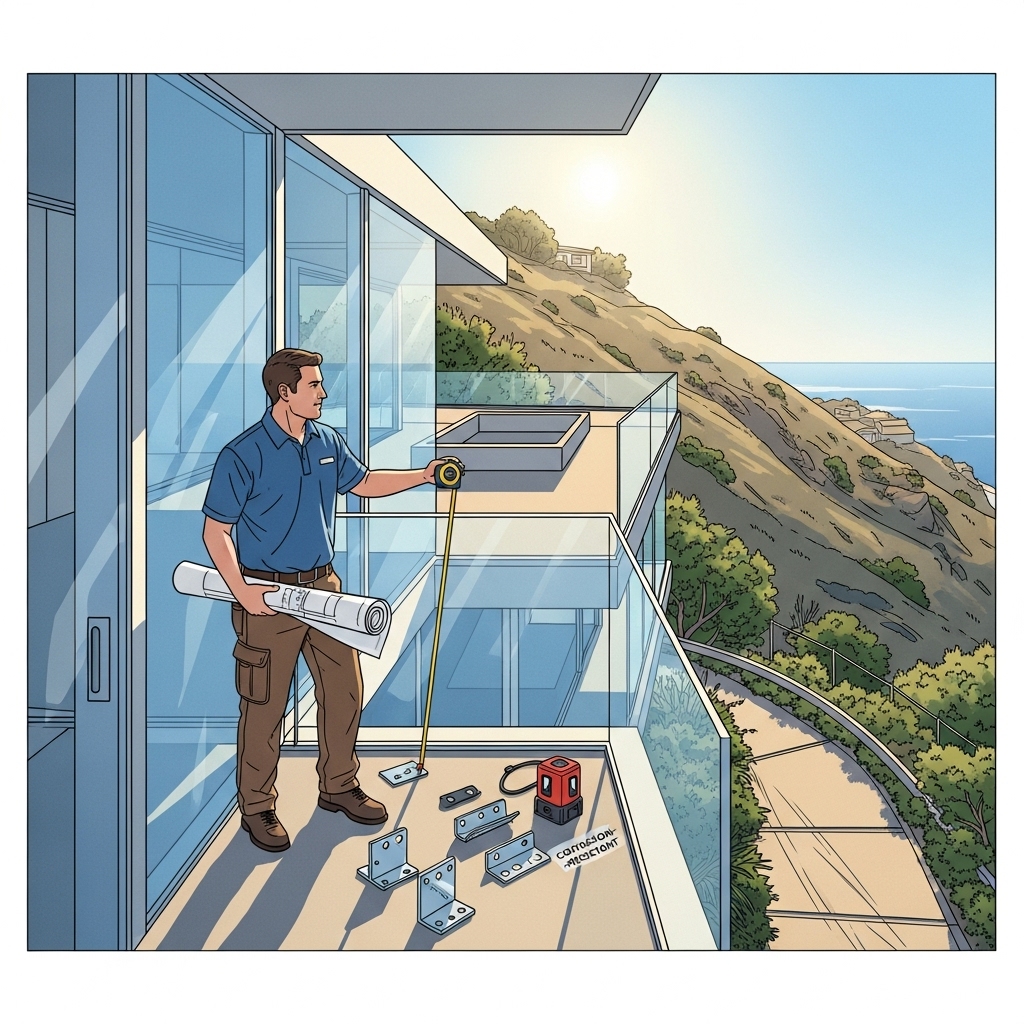
When people ask about the average cost of installing a new cooling system in Malibu, the honest answer begins with the sky and the shoreline. Our coastal environment reshapes every variable that goes into an installation, from the way a condenser breathes on a breezy afternoon to the materials that resist salt when the marine layer lingers for days. Malibu homes are not identical boxes; they are glass-walled sanctuaries on pilings, ranch houses on quiet streets, hillside escapes with narrow drives, and architectural gems that mix decades of remodels. That variety means the process of arriving at a fair, accurate number is less about a single figure and more about telling the story of your home’s needs with care.
To start that story well, I like to step into the space and listen—both to you and to the house. We look at how you live with doors open to the breeze, where the afternoon sun pools against the glass, and how bedrooms tuck behind stairwells or span entire second floors. Those patterns feed a proper load calculation, not a guess, because comfort and efficiency here depend on nuance. In the earliest conversations, I also introduce the framework of resilient air conditioning design for coastal settings, since choices that minimize corrosion and manage airflow in shifting winds are part of the long-term value of any installation.
One of Malibu’s defining variables is microclimate. A home steps back from the beach by a few blocks and sheds much of the salt; move into a canyon and you inherit a different rhythm of heat and evening cool. An installation must respect that. Equipment sized for a foggy, wind-cooled lot may be outmatched by a sun-baked hillside with dark roofing. Equally, a system oversized for quick, brash cooling will under-dehumidify on marine mornings, leaving a space that feels cool but clammy. The investment in careful load calculation pays back in daily comfort and system longevity.
Architecture also shapes the installation path. Malibu’s iconic glass walls are gorgeous but demanding. Large expanses of glazing, particularly if single-pane or older low-e, create solar loads that shift during the day. Open living plans that fold the inside to the outside reward zoning that respects activity patterns, while tightly stacked homes may lean on duct strategies that snake around steel and concrete. Each of those realities changes duct design, the number of zones, and how we route line sets and drains without compromising aesthetics or code.
Coastal materials and protection
Installing near the ocean calls for materials and methods that anticipate salt. Fasteners, brackets, and outdoor cabinets benefit from corrosion-resistant finishes. Coils sometimes warrant protective coatings where exposure is severe, and even the choice of disconnect boxes and conduit fittings matters. These choices are not frills; they are how we protect your investment so it doesn’t age a decade in a few seasons. During planning, we document exposure and agree on the level of hardening that suits your location and your expectations for longevity.
Placement deserves patience. A condenser can meet all code clearances and still breathe poorly when afternoon winds push hot air back against it, or when heat reflected from stucco narrows its operating window. A gentle relocation—higher on a wall, tucked around a corner, shielded by a slatted screen with open airflow—can make the difference between a unit that limps on hot days and one that purrs under stress. These nuances rarely appear on a parts list but matter immensely in Malibu.
Permits, codes, and neighborhood life
Every installation navigates permitting and energy standards. Malibu’s adherence to energy codes emphasizes efficiency, airflow verification, and proper duct sealing. Those checks aren’t obstacles; they are guardrails for quality. We plan for inspections, schedule them with your calendar, and ensure documentation is tight. Neighborhood realities—HOA preferences, sightline guidelines, and sound expectations—enter the conversation early. Where cranes are required for hillside placement or rooftop units, access planning keeps the day calm rather than dramatic, accounting for driveways that were not designed for heavy vehicles and neighbors who deserve an unruffled morning.
Electrically, we look at panel capacity and grounding quality. Seaside homes sometimes harbor subtle corrosion inside panels and disconnects, which can undermine new equipment if not corrected. A thorough evaluation finds these issues during planning, not after installation, and includes surge protection appropriate for sensitive electronics found in modern variable-speed systems. These decisions aren’t glamourous, but they protect your home’s comfort against the unpredictable.
Designing for lifestyle and sound
Malibu living is all about flow. Your system should follow suit. Zoning that allows quiet evenings upstairs and vibrant daytime cooling in living areas respects how you use the space and controls energy use without fuss. Sound also matters. Placement, vibration isolation, and equipment selection all shape the acoustic footprint, and in a community that values peaceful decks and open windows, this attention is a form of neighborliness as much as engineering.
Controls are another realm where thoughtful choices pay off. Smart thermostats and room sensors can track the gentle rhythm of the marine layer and adapt, pre-cooling and drying the air ahead of the afternoon swing. Integration with shading—interior or exterior—could further steady temperatures, reducing the workload on your system without compromising the airy feel of your home. Together, these controls anchor comfort with a light touch.
Commissioning and the first weeks of ownership
Good installation ends with careful commissioning, not just turning the system on. Airflow is measured and balanced, refrigerant charge verified under the conditions that matter, and controls programmed for your routines. In Malibu, I like to observe performance over a range of weather—ideally a damp morning and a warm afternoon—because the way your system handles that swing tells us whether we’ve honored the home’s needs. You should expect a gentle ramp into daily use, with small adjustments to fan speeds and schedules based on how the system breathes in your particular microclimate.
After installation, a guided walkthrough ensures you understand filter locations, how drains are kept clear, and what early maintenance looks like in a coastal setting. A short follow-up visit after a few weeks is a chance to verify the equipment is still delivering the quiet, even comfort we tuned on day one, and to make small refinements that show up as a better night’s sleep or a less humid morning kitchen.
How the idea of “average” fits Malibu
People naturally want a single figure to plan around, but Malibu’s character resists averages. The house by the sand with a breeze that tastes of sea calls for more protection and sometimes more elaborate routing; the home up a canyon road may need equipment that handles heat spikes without roaring; the ranch near town invites different duct strategies altogether. What’s reliable, instead of an abstract number, is a transparent process that maps your priorities onto the building’s realities and delivers comfort that feels custom because it is.
When thinking about the investment beyond the day of installation, consider reliability, maintenance, and the way the system blends with your life. A system that protects itself from salt, breathes easily where it sits, and is tuned to your daily rhythm will pay you back not in spreadsheets but in sensation: quieter evenings, steadier mornings, and the calm confidence that comes from equipment chosen with place in mind. In the middle of planning, it’s a good moment to revisit how modern air conditioning technology—particularly variable-speed systems—supports that steadiness by modulating output to match the gentle rise and fall of Malibu’s days.
As you gather options, ask for clarity about the steps that will be taken to harden the system against the coast, how airflow and acoustics will be verified, and what the first season of ownership will look like. Your installation partner should be comfortable explaining how the design responds to your specific microclimate, showing you where equipment will go and why, and mapping out how inspections and neighbors will be considered along the way.
FAQ: Installation planning in Malibu
Why do Malibu installations focus so much on placement?
Because wind, salt, and reflected heat are powerful local forces. Proper placement ensures the condenser breathes cool air, stays quieter for you and your neighbors, and avoids the harshest salt exposure. A few feet and the right shielding can change years of performance.
Do I really need corrosion-resistant materials?
Near the ocean, yes. Salt accelerates wear on exposed fasteners, fins, and electrical parts. Choosing components and finishes meant for seacoast use helps the system age gracefully and reduces the likelihood of early cosmetic and functional decline.
How does Malibu’s microclimate affect sizing?
Homes a short distance apart can live in different thermal realities. Accurate sizing depends on the home’s orientation, glazing, insulation, and the daily arc of sun and wind. Proper load calculations are the antidote to guesses that leave you clammy or short of cooling on hot afternoons.
Will noise be a problem for neighbors?
It doesn’t have to be. Placement, equipment selection, and vibration isolation can deliver very quiet operation. Addressing acoustics at the design stage preserves the serenity Malibu residents value and avoids conflicts later.
What should commissioning include here?
Commissioning should verify airflow room by room, refrigerant charge under relevant conditions, and control settings that anticipate the marine layer’s humidity and afternoon warmth. A follow-up check after initial use helps refine performance.
If you’re weighing options and want a plan that honors Malibu’s weather, aesthetics, and neighborhood rhythm, it helps to have a team that speaks the language of this coastline. Begin with a site walk, a conversation about daily life in the home, and a design that frames comfort as a quiet constant rather than a loud intervention. For guidance shaped by the ocean’s presence and the hills’ heat, connect with experts in air conditioning who understand the nuances of Malibu living, and step into a future where cool feels natural, unobtrusive, and enduring.