
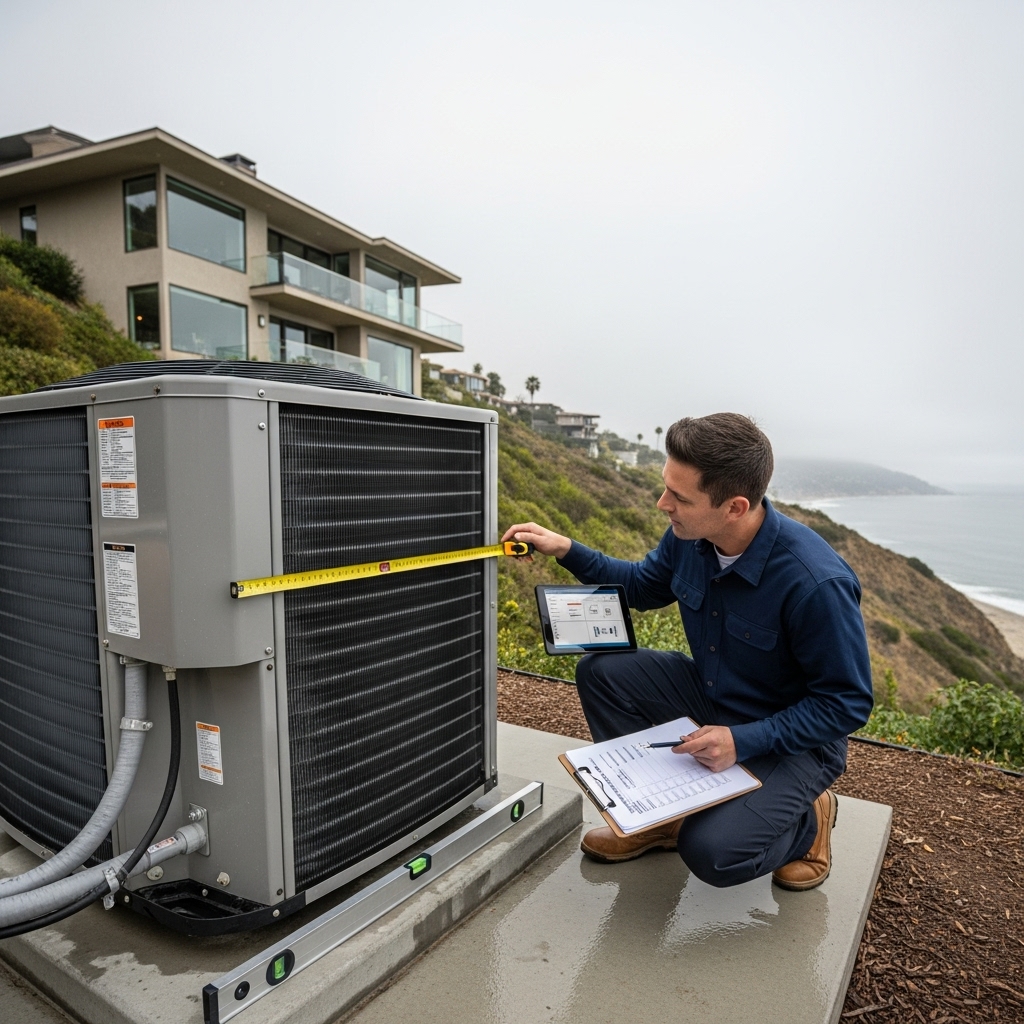
Air conditioning maintenance in Malibu isn’t just about a quick rinse and a filter change. Coastal exposure, hillside construction, and microclimates from Broad Beach to Ramirez Canyon demand an inspection standard that’s both thorough and tailored. Over time, local technicians have developed a rhythm that respects the coastline’s realities: salt that rides the breeze, smoke that drifts in during certain weeks, and attics that can hit surprising temperatures. That’s why a professional air maintenance visit here follows a deeper checklist than you might see inland, with special attention paid to safety, corrosion, airflow, and documentation.
Starting outside: condenser condition and coastal protection
A Malibu-grade inspection begins with the outdoor unit because that’s where the ocean leaves its signature. The technician evaluates coil cleanliness down to the fin spacing, not just surface appearance, and notes any salt film that compromises heat transfer. They verify that the cabinet is square and level, check that the fan blades spin true without wobble, and listen for bearing noise that can masquerade as wind across the yard. Hardware gets a close look for corrosion, and penetrations are sealed to keep salt, sand, and pests out. If exposure is high, the inspector discusses protective coatings and the cadence of gentle rinses that preserve efficiency through the season.
Electrical compartments deserve special care outdoors. A proper inspection tightens terminals, checks for heat discoloration, verifies capacitor health, and evaluates contactors for pitting. Along the bluff line and near open beaches, that extra attention can be the difference between a flawless summer and an inconvenient outage.
Refrigerant circuit verification and performance baselines
Accurate charge stands at the center of performance. Inspectors compare pressures and temperatures, calculate superheat and subcooling, and reference those numbers against the system’s design. In Malibu, where long linesets may run through attics or crawl spaces to reach art studios or guest suites, these measurements confirm that cooling capacity is truly arriving where you need it. The goal is to establish a baseline that can be compared season to season, catching drift before it becomes a comfort problem.
Airflow, duct integrity, and the Malibu floor plan
Homes here frequently mix open living rooms with tucked-away bedrooms and glass corridors that trap heat. An inspection that stops at the equipment misses the bigger picture. A Malibu-standard maintenance visit includes static pressure measurements, supply and return temperature splits, and a quick survey of duct integrity. Technicians look for sun-baked flex duct in hot attics, crushed runs from storage items, and leaky return boots that pull dusty air from spaces you’d rather keep separate from your living environment. The checklist ensures airflow is aligned with both equipment design and the realities of the building.
Thermostat placement is part of this conversation. If a thermostat faces afternoon sun or sits in a corridor open to a door that catches evening breezes, readings will skew. Inspectors note these details and recommend small relocations or shielding that can transform comfort without changing the equipment.
Condensate management and water safety
Condensate drains should quietly carry water away, but algae growth and dust can form blockages that lead to overflows. A thorough visit verifies primary and secondary drain function, tests float switches, inspects pans for rust or microbial film, and confirms the slope of the line. For air handlers above finished spaces, this part of the inspection is non-negotiable. The goal is to eliminate the chance of a surprise stain on the ceiling below your equipment.
Cleanliness: coils, blower assemblies, and cabinets
Clean equipment is efficient equipment. Inspectors evaluate the evaporator coil, blower wheel, and cabinet for dust and film that inhibit performance. In Malibu, where smoke can drift in and settle as a fine soot, a cabinet that looks clean at first glance may still need careful attention. Cleaning restores the system’s ability to move air quietly, maintain coil temperatures, and dehumidify effectively. It also eliminates odors that can persist after weeks of closed windows.
Electrical safety and code-aligned practices
While no one wants a jargon-filled lecture, safety is central to Malibu’s maintenance standards. Inspectors check disconnects, verify correct overcurrent protection, and confirm that conductors and whips are in good condition—especially those exposed to sun and salt. They also document any concerns that could affect reliability down the line, from deteriorated insulation to ground integrity.
Documentation that tells the story of your system
Good maintenance creates a paper trail—or increasingly, a digital one. Photos of coil condition, readings for pressures and temperature splits, and notes on airflow and drain status build a story you can reference next season. In a community where many owners travel, this documentation is invaluable. It assures you that the equipment was truly inspected and helps future technicians pick up the thread without repeating work.
Seasonal timing that fits Malibu’s weather rhythm
Spring and early fall are the anchor points for inspection. Spring prepares the system for warmer afternoons and early heat waves; fall clears the salt and dust of summer and confirms readiness for a winter of cool nights when you may still run the system for humidity control. Homes within sight of the surf benefit from periodic outdoor rinses between official visits, especially after windy spells that push salt inland.
Tailoring standards to unique properties
From hillside villas with equipment perched on engineered pads to beach bungalows with condensers tucked behind fences, no two Malibu installations are alike. Inspection standards flex to match. Guest suites that sit vacant for weeks may need start-up checks before arrivals. Studios with sensitive equipment may call for finer filtration and closer airflow tuning. The standard is consistency and thoroughness, applied with a local lens.
What to expect as a homeowner
You should expect clarity: what was inspected, what was cleaned, what measurements were taken, and what’s recommended next. You should also expect a conversation about how the home is used—how often windows are open, which rooms run warm, and whether smoke has been an issue. If you’ve thought about upgrades like variable-speed controls or smarter filtration, maintenance is the right moment to assess their fit.
Owners who like predictability often pair spring inspections with a brief midseason check, scheduled after the first real heat wave. That’s when subtle issues reveal themselves and small adjustments deliver the most comfort for the least effort. If you’ve been considering professional HVAC maintenance, aligning it with that rhythm keeps your system ready for whatever the coastline brings.
FAQ
How long should a thorough maintenance inspection take?
It varies by system complexity, but a true Malibu-standard visit allows enough time for careful cleaning, accurate measurements, and a complete review of drains, ducts, and electrical components. Rushing defeats the purpose; quality inspections make space for details.
Do beach-adjacent homes need different standards?
They need the same thoroughness with a heavier emphasis on coil protection, stainless or coated hardware, and more frequent outdoor rinses. Exposure to salt and wind simply accelerates wear without that added care.
Can I rely on smart thermostats to tell me when I need maintenance?
Smart devices provide helpful signals—runtime, filter reminders, and sometimes alerts when performance changes—but they complement rather than replace a professional inspection. Hands-on cleaning and testing remain essential.
Will a maintenance inspection improve indoor air quality?
Yes. Cleaning coils and cabinets, verifying filter fitment, and sealing return leaks all contribute to cleaner indoor air. Inspections can also recommend filtration upgrades that suit your lifestyle and Malibu’s seasonal conditions.
What’s the best time of year for inspection?
Most homeowners schedule spring and fall. Spring sets you up for warmth and summer guests; fall restores performance after months of salt and dust. Homes closest to the water add periodic condenser rinses between those anchor visits.
If you’re ready to bring your system up to a Malibu-grade standard, schedule a visit that combines careful inspection, coastal protection, and clear documentation. Your home will feel more comfortable right away, and your equipment will thank you for years to come. Take the next step by arranging dedicated Malibu air maintenance with a trusted local team that treats your home like their own.